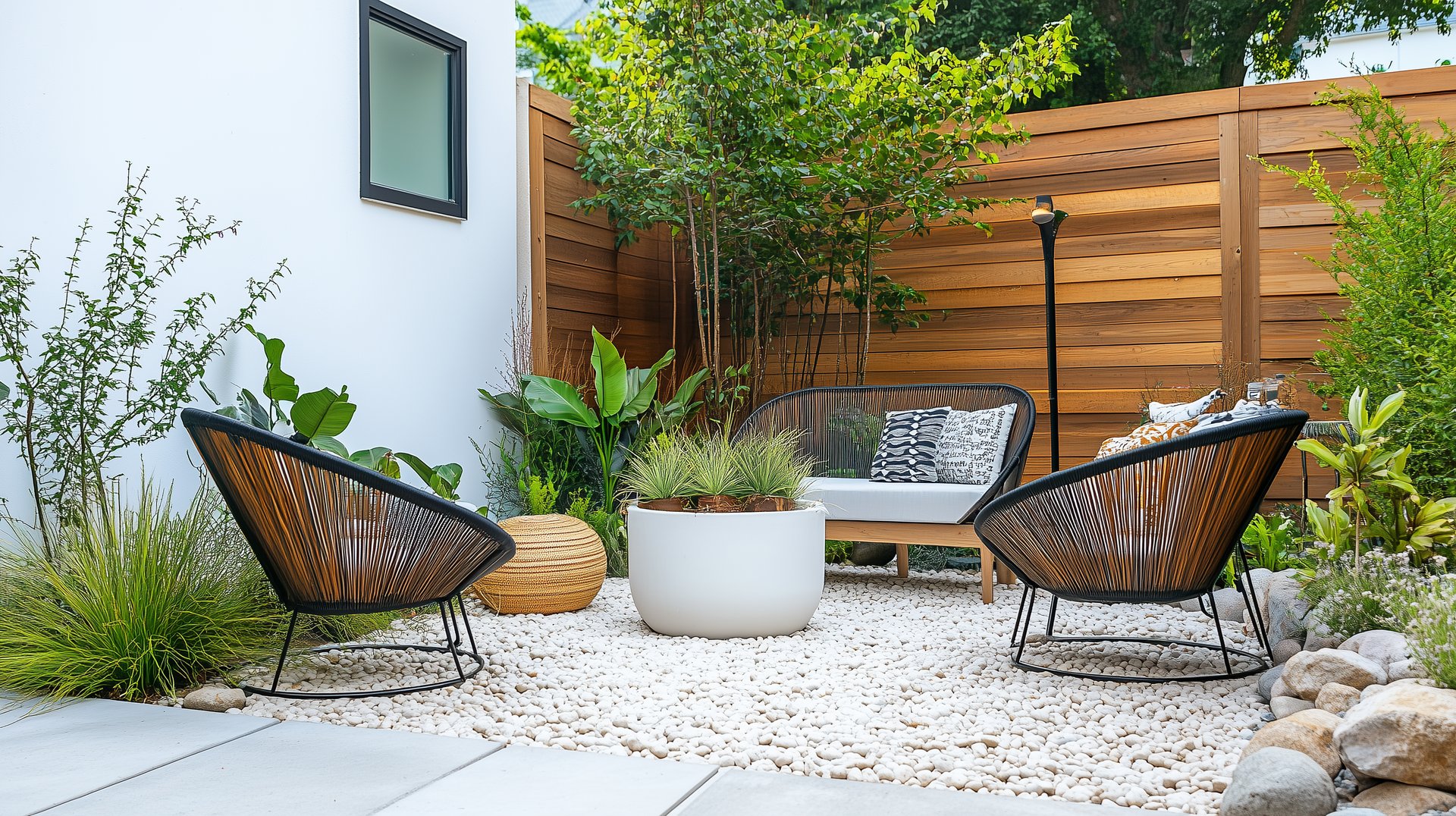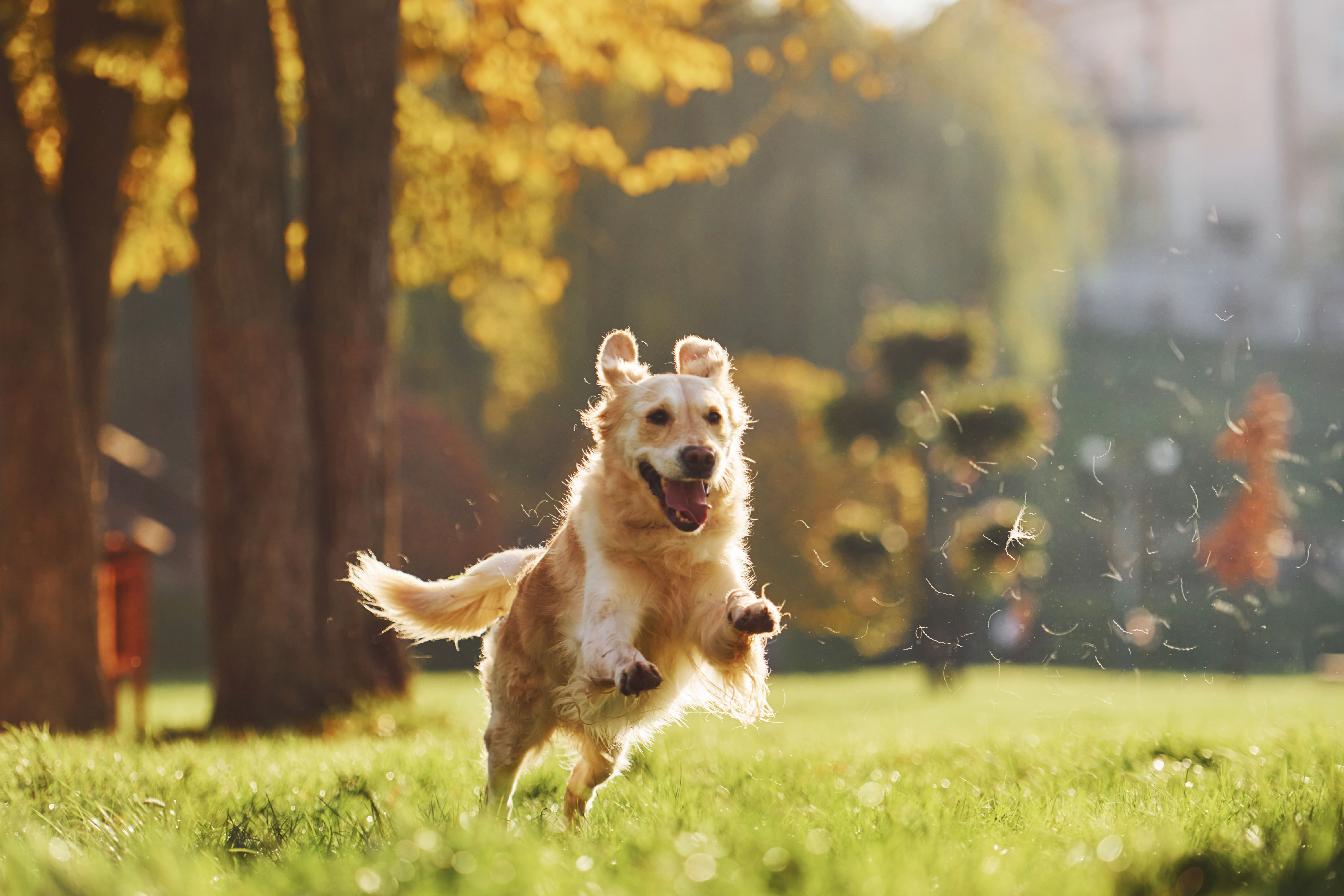
The evolution of residential landscape architecture has shifted toward multi-species residential design. Modern homeowners no longer view their yards purely as static visual showcases, but as dynamic, shared ecosystems where human recreation and canine behavior must coexist in harmony. This dual-purpose design philosophy requires an understanding of canine psychology, physiology, and behavioral patterns to engineer spaces that satisfy the animal's natural drives while preserving the visual integrity and ecological health of the property.
Designing a pet-inclusive yard requires addressing the inherent tensions between canine activity and high-end residential aesthetics before ground is ever broken. Below is an exhaustive analysis of the ten primary design tips required to establish a highly functional, secure, and visually stunning dog-friendly landscape.
1. Analyze Breed-Specific Behavioral Dynamics and Establish Desire Lines
The foundational phase of any canine-centric landscape design involves an in-depth analysis of breed-specific behavior and individual physical dynamics. Different dog breeds exhibit distinct instinctual drives—such as hunting, digging, patrolling, or lounging—which directly dictate how they interact with an outdoor space. Failing to account for these inherent traits often results in destroyed vegetation, soil erosion, and heightened stress for the animal.
Landscape designers utilize behavioral mapping to identify the optimal layout for a yard. This process begins by observing the canine's established movement patterns, often referred to in urban planning as "desire lines." Dogs naturally seek the most efficient path from one point to another, such as from the back door to the fence line. If these paths cross delicate ornamental garden beds, the vegetation will inevitably be trampled. By mapping these high-traffic routes early in the design phase, planners can permanently integrate them into the landscape layout, transforming worn-down dirt paths into intentional, aesthetically pleasing walkways.
2. Implement Structured Perimeter Patrol Paths
Many canine breeds possess strong territorial instincts that manifest as fence-running or perimeter patrolling. Attempting to suppress this instinctual behavior through physical barriers or behavioral training is often counterproductive and can cause anxiety in the animal. A more effective design strategy is to accommodate this behavior by constructing dedicated "perimeter patrol" paths directly along the property line.
If a fence line borders a highly active area, such as a busy public sidewalk, the canine is more likely to bark or pace destructively. In these scenarios, installing a solid, sight-blocking exterior fence of wood or vinyl reduces visual stimuli, calming the animal and preventing unwanted interactions with passersby. A patrol path measuring 18 to 24 inches in width should be cleared immediately adjacent to this boundary. This path can be surfaced with durable, paw-friendly materials that prevent mud accumulation and protect the soil from compaction. By formalizing this zone, the canine can perform its territorial "job" while the core ornamental gardens remain undisturbed.
3. Strategize Low-Maintenance, Dedicated Potty Zones
One of the most common aesthetic issues in yards shared with dogs is "turf burn," characterized by unsightly yellow or dead patches of grass. Canine urine contains high concentrations of nitrogen compounds and ammonia; when deposited repeatedly on traditional turfgrass, it acts as a concentrated chemical overdose, dehydrating and killing the grass blades. Diluting these areas with water is highly labor-intensive and environmentally unsustainable, particularly in arid climates.
To resolve this issue, landscapes should feature a designated, highly accessible potty zone. These zones should be strategically located near the home for convenience but shielded from primary outdoor living areas to maintain visual appeal. Surfacing the potty zone with non-porous hardscape materials, such as interlocking pavers or flagstone, provides an easily sanitized surface that does not absorb odors or suffer structural damage from urine. Alternatively, natural materials such as clover, coarse sand, or rounded river rock can be utilized, as they offer rapid drainage and excellent resistance to chemical discoloration.
| Potty Zone Material | Durability Rating | Odor Control Mechanism | Maintenance Requirements |
|---|---|---|---|
| Flagstone & Pavers | High | Non-porous surface; prevents urine absorption. | Occasional hosing down; highly resistant to digging. |
| Rounded Pea Gravel | Medium-High | Rapid vertical drainage into subbase. | Requires periodic flushing with water and pet-safe sanitizers. |
| Natural Wood Chips | Medium | Organic absorption of moisture. | Requires regular replacement; cedar helps repel fleas. |
| Micro-Clover | Medium-Low | Nitrogen-fixing plant; resistant to urine damage. | Occasional mowing; may need replanting under heavy use. |
4. Select Paw-Friendly and Thermally Stable Hardscaping
Canine paw pads are highly sensitive organs prone to thermal burns, chemical irritation, and mechanical lacerations. Consequently, the selection of hardscaping and groundcover materials requires careful consideration of their physical properties, texture, and thermal conductivity.
Materials such as dark concrete, asphalt, or unshaded gravel can reach dangerous temperatures under direct sunlight, posing a severe burn risk to canine paws. Conversely, extremely sharp aggregates, such as lava rock, must be completely excluded from areas accessible to the animal, as they cause painful cuts and structural damage to the paw pads. Instead, designers favor thermally stable, smooth materials.
| Material | Canine Safety Rating | Primary Recommended Application | Key Considerations & Drainage |
|---|---|---|---|
| Flagstone & Pavers | High | Non-porous surface; prevents urine absorption. | Occasional hosing down; highly resistant to digging. |
| Rounded Pea Gravel | Medium-High | Rapid vertical drainage into subbase. | Requires periodic flushing with water and pet-safe sanitizers. |
| Decomposed Granite | Medium | Organic absorption of moisture. | Requires regular replacement; cedar helps repel fleas. |
| Synthetic Turf | Medium-Low | Nitrogen-fixing plant; resistant to urine damage. | Occasional mowing; may need replanting under heavy use. |
| Natural Wood Mulch | Medium (Cedar or Redwood) | Planting Beds, Native Garden Paths | Soft underfoot. Cedar naturally repels fleas.Never use cocoa mulch, which is highly toxic. |
| Lava Rock | Low (Hazardous) | Strictly forbidden in canine zones | Sharp edges cause severe paw lacerations. Use only in completely restricted decorative beds. |
5. Embrace Grassless Layouts and High-Performance Pet Turf
Traditional turfgrass lawns demand extensive resources, including synthetic fertilizers, herbicides, and vast quantities of irrigation water to offset the chemical effects of canine waste. Furthermore, many dogs suffer from seasonal grass allergies, which manifest as chronic skin irritation, paw biting, and respiratory discomfort. Shifting toward a grassless landscape design offers substantial environmental benefits while dramatically improving pet health.
For homeowners who desire the visual appeal of a green lawn without the high maintenance of natural turf, high-quality synthetic pet turf serves as an excellent alternative. Unlike standard artificial grass, pet-specific synthetic turf is engineered with a highly permeable, porous backing that allows liquid waste to drain directly into the subbase, preventing the build-up of ammonia odors. Furthermore, because synthetic turf lacks organic soil and moisture, it eliminates the natural habitat for common vectors such as fleas, ticks, and mosquitoes, naturally driving these pest populations away from the home's primary play spaces.
If natural grass is still highly preferred, selecting the correct species is paramount. Bermuda Grass is highly recommended for warm-season climates due to its exceptional durability and rapid recovery from heavy foot traffic. For cool-season climates, Tall Fescue Grasses provide superior resistance to physical wear and moderate tolerance to dog urine.
6. Establish Comprehensive Botanical Safety
Selecting the botanical palette is the most critical safety component of canine-inclusive landscape architecture. Dogs are natural explorers and frequently ingest plant material out of curiosity, playfulness, or dietary instinct. Many incredibly common garden plants contain highly potent phytochemicals that can cause severe physiological distress, organ failure, or death if consumed by pets.
According to the ASPCA Animal Poison Control Center, ingestion of toxic plants by pets made up over 8 percent of all control center calls in 2022, placing it sixth on the top ten list of pet toxins. If a canine is suspected of ingesting a toxic plant, homeowners should contact professional pet poison resources immediately, such as the ASPCA Animal Poison Control Hotline at (888) 426-4435 or the Pet Poison Helpline at (855) 764-7661.
Beyond botanical toxicity, homeowners must avoid using chemical pest controls. For example, common slug and snail baits containing metaldehyde are highly toxic to dogs; ingestion can cause severe tremors, seizures, and rapid death if not treated immediately by a veterinarian.
To maintain a lush, beautiful aesthetic without compromising safety, designers utilize resilient, non-toxic native plants. Species like Lomandra are highly favored because they are structurally robust; they can be repeatedly stepped on, sat upon, or lightly chewed without suffering permanent damage.
| Botanical Name | Common Name | Toxicity Status | Pathological Risks & Symptoms if Ingested | Safe Alternatives |
|---|---|---|---|---|
| Cycas revoluta | Sago Palm | Extremely Toxic | Contains cycasin; causes severe vomiting, diarrhea, seizures, acute liver failure, and death. | Chamaedorea elegans (Parlor Palm) |
| Nerium oleander | Oleander | Extremely Toxic | Contains cardiac glycosides; causes arrhythmia, severe abdominal pain, hypersalivation, and death. | Marigolds or Zinnias (vibrant, safe annuals) |
| Convallaria majalis | Lily of the Valley | Highly Toxic | Contains cardiac glycosides; causes rapid changes in heart rate, low blood pressure, disorientation, and seizures. | Astilbe (safe, shade-loving perennial with feathery plumes) |
| Rhododendron spp. | Azalea / Rhododendron | Highly Toxic | Contains grayanotoxins; causes extreme muscle weakness, tremors, and cardiovascular collapse. | Coreopsis or Echinacea (Coneflower) |
| Taxus cuspidata | Japanese Yew | Highly Toxic | All parts except red flesh of berries contain taxines; causes wobbly gait, tremors, and cardiac arrest. | Lomandra (highly durable, grass-like structural plant) |
| Tulipa spp. | Tulip Bulbs | Toxic | Concentrated toxins in the bulb cause intense mouth irritation, respiratory distress, and rapid heart rate. | Marigolds or Zinnias (vibrant, safe annuals) |
7. Deploy Physical and Living Barriers to Protect Delicate Gardens
While selecting non-toxic plants is essential, minimizing the physical destruction of delicate ornamental gardens is also a key landscape design goal. To achieve this, designers implement a multi-tiered approach utilizing structural and vegetative barriers to direct canine traffic away from sensitive planting zones.
Traditional fencing remains the most effective tool for perimeter containment and spatial zoning. When selecting wood or vinyl border fencing, the structure should be deep enough to prevent dogs from digging underneath and escaping, and tall enough to prevent jumping. Internally, raised planters and retaining walls serve as highly functional physical barriers. Elevating delicate flora, such as annual flower beds or vegetable gardens, to a height of 18 to 24 inches naturally deters most dogs from trampling or chewing them. For localized protection of newly established seedlings, placing temporary upside-down wire baskets over the plants allows them to grow robustly while deflecting physical play.
8. Create Shaded Microclimates and Integrated Hydration Stations
Canines are highly susceptible to heat exhaustion and heatstroke, as they lack the ability to sweat efficiently and rely primarily on panting for thermoregulation. In fully exposed, modern hardscaped yards, temperatures can escalate rapidly, creating an inhospitable and dangerous environment for active pets. Designers must actively combat this by establishing cooling microclimates throughout the landscape layout.
Integrating architectural shade structures—such as pergolas, shade sails, or broad-canopy deciduous trees—is vital over hardscape features like concrete patios or stone pathways to prevent them from absorbing and radiating extreme heat. Additionally, the inclusion of dedicated hydration stations is a critical design requirement. Installing a low-profile, automated pet fountain connected directly to a clean water line ensures that the dog has continuous access to fresh, cool water without the risk of stagnant water harborages, which attract pests and bacteria.
9. Construct Custom, Mud-Mitigation Outdoor Wash Stations
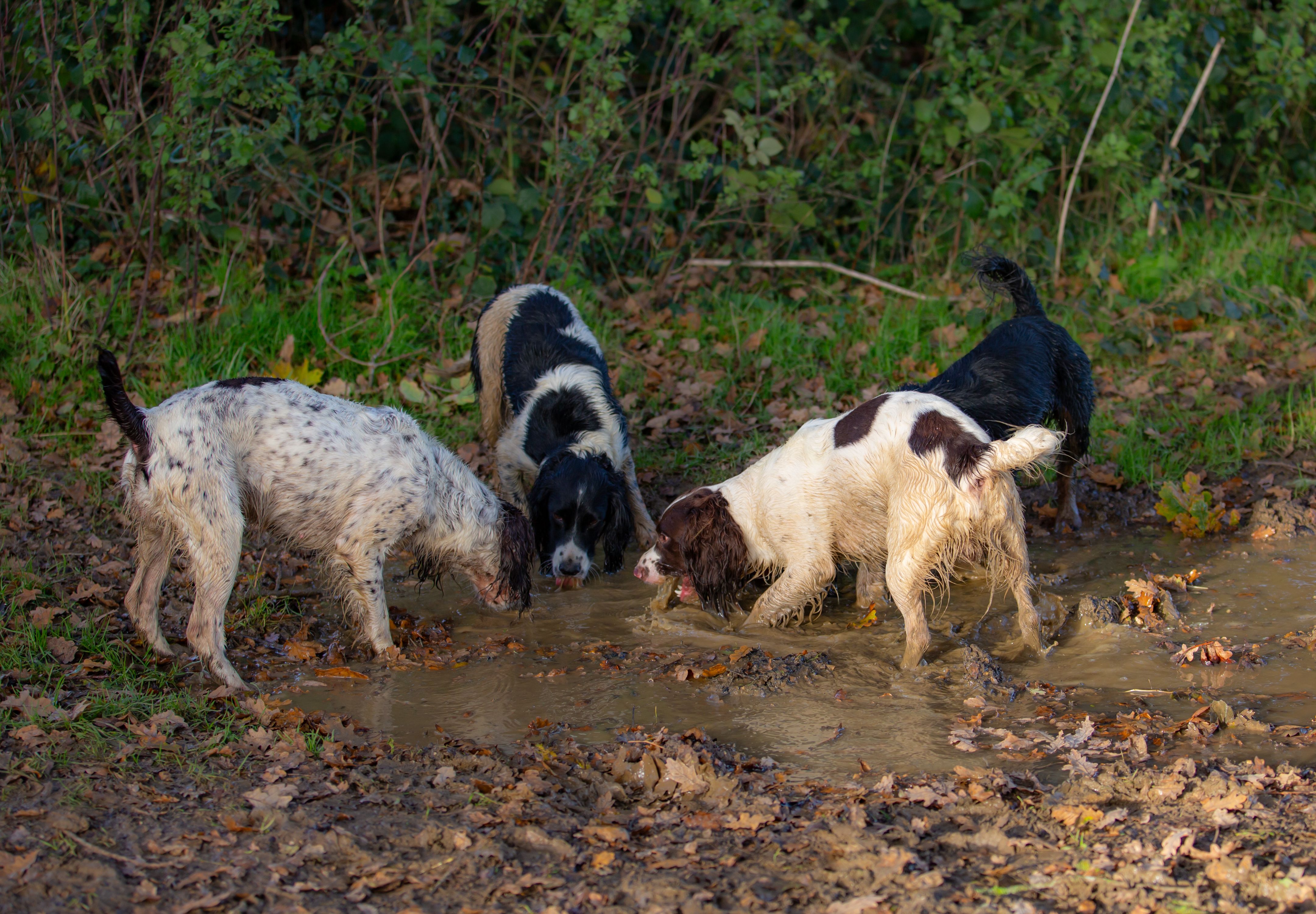
One of the most immediate practical benefits of a professionally designed dog-friendly yard is mud mitigation. Active play, particularly after rain, often results in dogs tracking mud, debris, and allergens directly into the home. Designing an outdoor dog wash station near the primary entry point of the home provides a highly convenient, dedicated space to clean the animal before it steps indoors.
10. Curate Cognitive Enrichment and Instinctual Play Zones
A primary driver of destructive yard behaviors, such as chronic fence-barking, destructive chewing, or digging up valuable plantings, is boredom. Dogs require both physical exercise and mental stimulation to maintain a balanced, calm temperament. Rather than viewing a yard solely as a passive green space, modern landscape design treats the yard as an interactive canvas for cognitive enrichment.
Integrating safe play structures—such as low-profile wooden ramps, concrete tunnels, and agility poles—provides dogs with physical challenges that burn excess energy and build coordination. To combat destructive digging, designers frequently install a dedicated "digging pit" or sandbox filled with clean play sand, located away from the main garden beds. By burying toys or treats in this designated zone, the canine is trained to redirect its instinctual digging behavior to a safe, easily managed area, preserving the structural integrity of the rest of the landscape.
Conclusion
Designing an elegant outdoor space that seamlessly accommodates the active and diverse needs of household pets requires a delicate balance of architectural planning, botanical knowledge, and material science. Homeowners do not have to compromise on style; by intentionally mapping movement patterns, installing paw-friendly materials, and relying on non-toxic, resilient native plantings, they can create a stunning residential landscape. This thoughtful engineering ensures that human occupants and their canine companions can safely, harmoniously, and happily share the outdoor environment for years to come.
Bring this idea into your own yard
Collaborate with our landscape team to turn inspiration into a practical, personalized design plan.