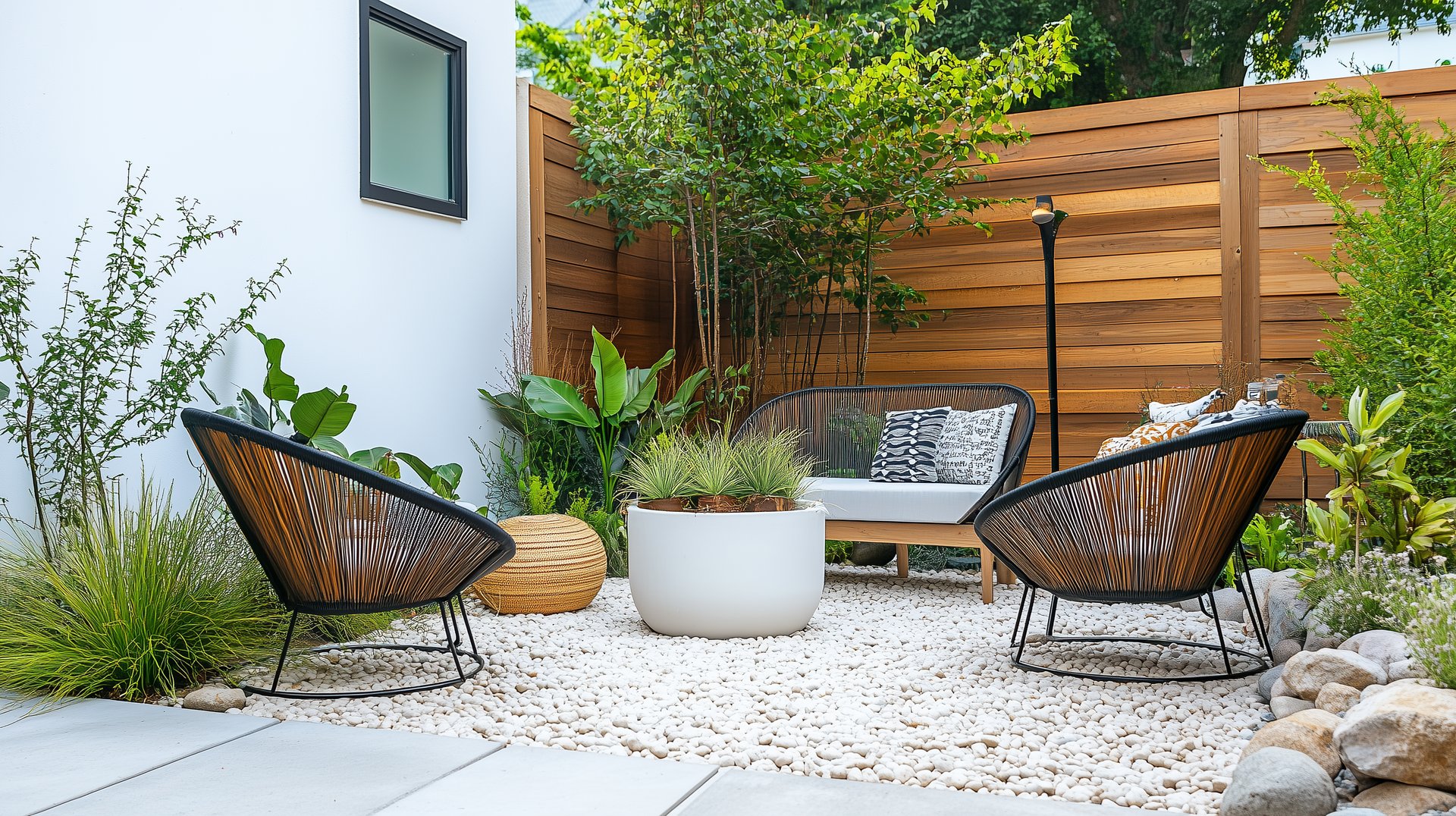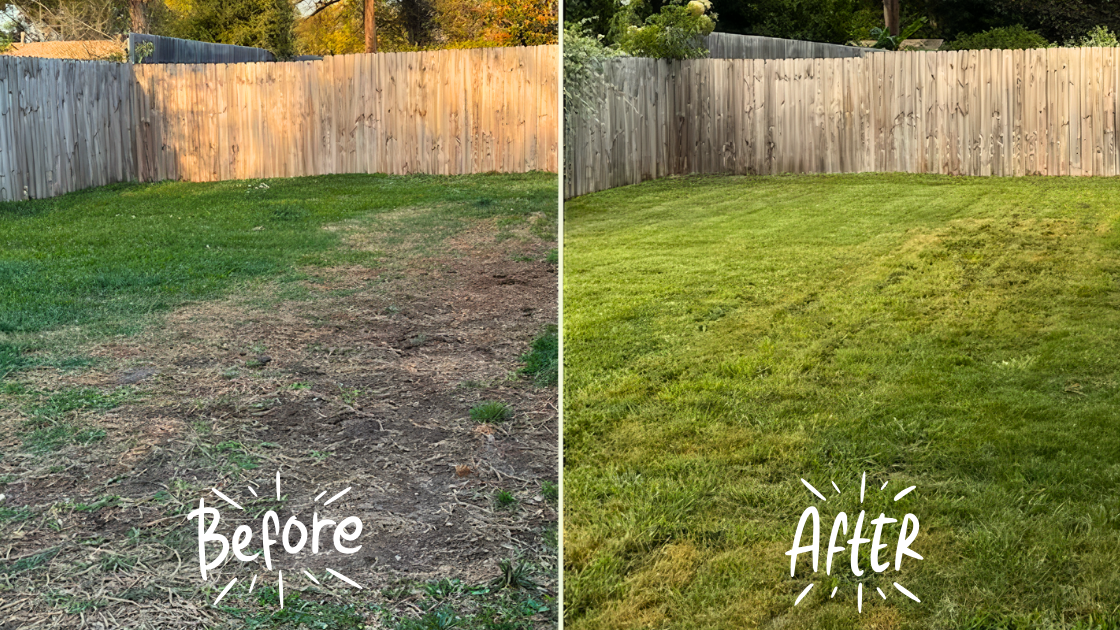
A well-maintained lawn and garden can significantly increase a home’s curb appeal, but it is not uncommon for homeowners to face frustrating problems that can detract from the beauty of their yard. Many of these issues, from brown patches to rampant weeds, are symptoms of underlying problems that can be diagnosed and treated with a few simple steps. The key is to correctly identify the cause, as a misdiagnosis can often exacerbate the problem.
Problem 1: Brown Patches and Spots
A variety of factors can cause brown patches on a lawn. The most common cause is dehydration, which is easily remedied by a deep, supplemental watering schedule. Other causes include dog urine, which leaves behind circular dead spots, or lawn diseases like snow mold, which forms in damp, cold weather. It is also possible to “burn” the lawn by applying too much fertilizer, which can initially turn the grass a dark green or bluish color before it dies.
The Fix: If dehydration is the cause, increase the frequency of watering, ideally in the morning. For dog urine spots, you can cut out the dead patch and replace it with a sod plug, or allow the spot to repair itself over time. For diseases, follow a treatment plan recommended by a local garden center.
Problem 2: Weeds Everywhere!
Weeds, whether they are grassy like crabgrass or unwanted broadleaf species, compete with your desired plants for water and nutrients. A yard full of weeds can make a home look messy and unkempt, a common turnoff for buyers.
The Fix: A thick layer of mulch is a simple and effective way to suppress weed growth. Another method is to aerate and overseed the lawn. A dense, healthy lawn is the best defense against weeds, as it makes it difficult for them to take hold.
Problem 3: Thin or Bare Patches
When a lawn has thin or bare spots, it is often due to an underlying environmental issue. Causes include compacted soil, which prevents grass from growing, a lack of sunlight from a dense tree canopy, or pest damage.
The Fix: If the soil is compacted, aeration and overseeding can work wonders to promote healthier, denser growth. If the problem is too much shade, consider extending the landscape beds around the tree to create a space for shade-loving plants, or use a ground cover as a grass alternative.
Problem 4: A Bumpy Lawn
A bumpy lawn is not only unsightly but can also be a tripping hazard. Causes include the natural freezing and thawing of soil, animal digging in search of insects, or an underlying issue with improper grading or tree roots.
The Fix: Addressing the problem depends on its cause. For general bumpiness, aerating and overseeding can often help disguise the issue. For more serious issues like improper grading or surface tree roots, it is best to consult a professional landscaper to avoid more serious damage to the property.
Problem 5: Pests and Bugs
Pests are an unavoidable part of gardening, but some plants, like fruit trees and certain vegetables, are notorious for attracting them. A landscape overrun with pests can be a major turnoff for homeowners and can damage plants.
The Fix: Instead of relying on harsh chemical treatments, which can be a turnoff for buyers, consider a more natural approach. You can encourage beneficial insects like lady beetles to control pests naturally by providing them with a suitable habitat. For particularly susceptible plants, having an organic treatment plan or using netting can help keep bugs at bay.
Conclusion
Maintaining a beautiful and healthy lawn requires attention, care, and a willingness to address problems as they arise. By identifying the underlying causes of common issues such as brown patches, weeds, thin spots, uneven terrain, or pests, you can take targeted steps to restore your yard’s vitality. A well cared for lawn not only enhances curb appeal but also creates a welcoming outdoor space for you and your family to enjoy. With consistent maintenance and the right solutions, even persistent lawn problems can be managed, leaving your garden looking lush, vibrant, and inviting.
Bring this idea into your own yard
Collaborate with our landscape team to turn inspiration into a practical, personalized design plan.