Mindset Shift: Why Low-Water Landscaping is More Than Just Saving Water
While reducing your water bill is a significant benefit, the true value of a water-wise landscape goes much deeper. It represents a fundamental shift toward a more sustainable and enjoyable way of living with our outdoor spaces.
- Less Work, More Life: By choosing plants adapted to your local climate and reducing or eliminating a thirsty lawn, you reclaim your weekends for more meaningful activities. Less time spent mowing, fertilizing, and watering means more time for relaxing, entertaining, and simply enjoying your personal oasis.
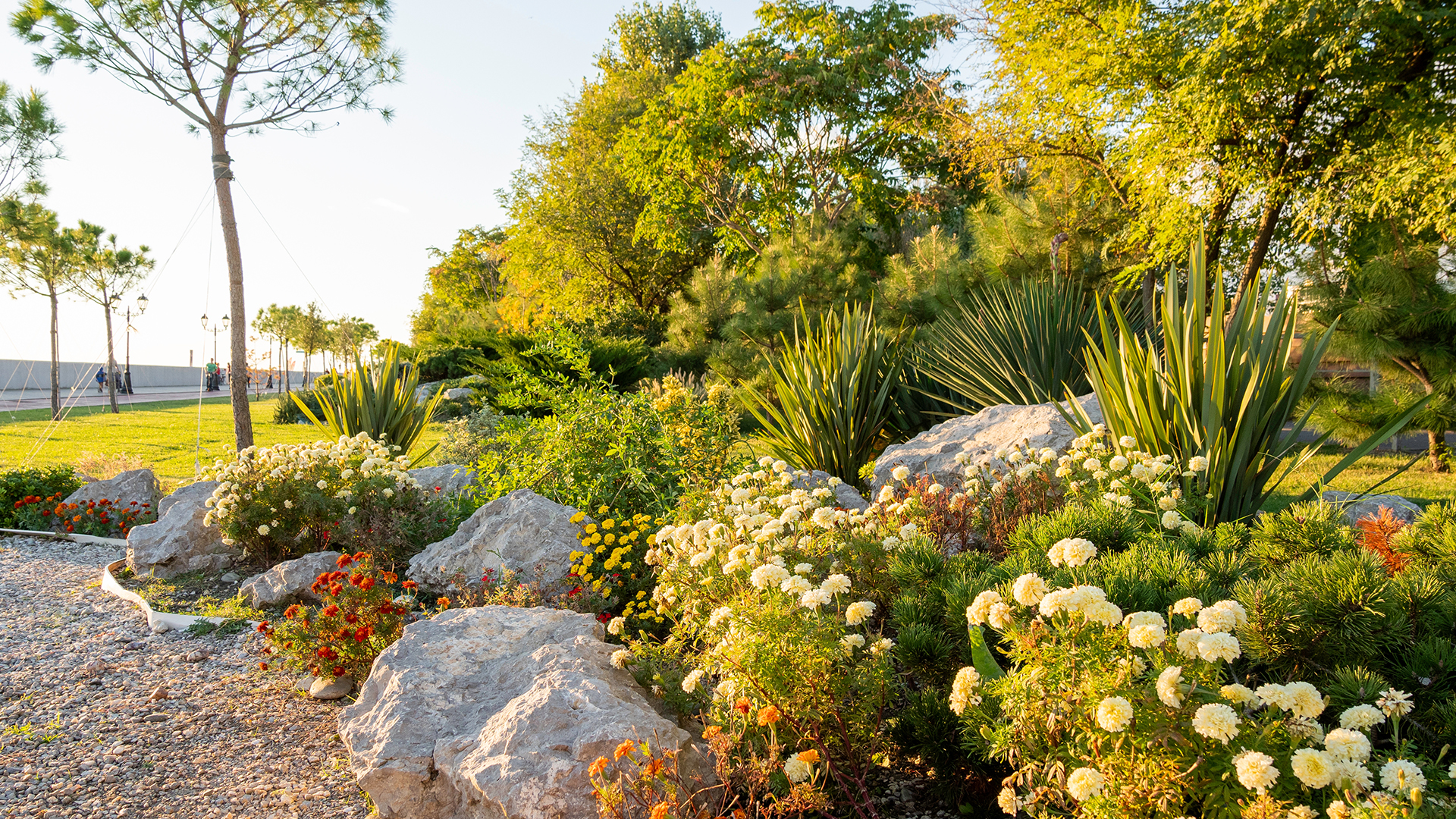
- A New, Dynamic Aesthetic: Drought-tolerant design encourages a richer and more engaging visual palette. The silvery foliage of sage, the bold, architectural forms of agave, and the soft, flowing movement of ornamental grasses create a landscape with year-round interest that a flat, green lawn cannot match. It’s about redefining landscape beauty as something resilient, textural, and alive.
Step 1: The Blueprint – Planning Your Water-Wise Paradise
Great design always begins with a plan. Before you buy a single plant, take the time to understand your unique space. This initial analysis is the single most important factor in creating a successful low-water landscape.
- Site Analysis: Walk your property at different times of day. Where does the sun hit? Where are the shady spots? Is your soil sandy and fast-draining or heavy clay? Does water pool in certain areas after it rains? Answering these questions will inform every decision you make.
- Hydro-zoning: This is the professional’s secret to a thriving, efficient garden. Hydro-zoning is the practice of grouping plants with similar water and sun requirements together in the same area. For example, you would create a zone for plants that need almost no supplemental water once established (like lavender and yucca) and a separate, smaller zone near a hose bib for plants that may need a bit more moisture (like a vegetable patch or certain flowering perennials). This simple act of organization prevents over- or under-watering and is the key to maximizing water efficiency. Planning these zones on paper first is far more effective than trying to arrange them on the fly at the garden center.
Step 2: Breaking Up with Your Lawn – Smart Alternatives to Thirsty Turf
The single biggest consumer of water in most residential landscapes is the traditional turf grass lawn.Reducing its size is the fastest way to slash your water usage. Fortunately, the alternatives are more beautiful and interesting.
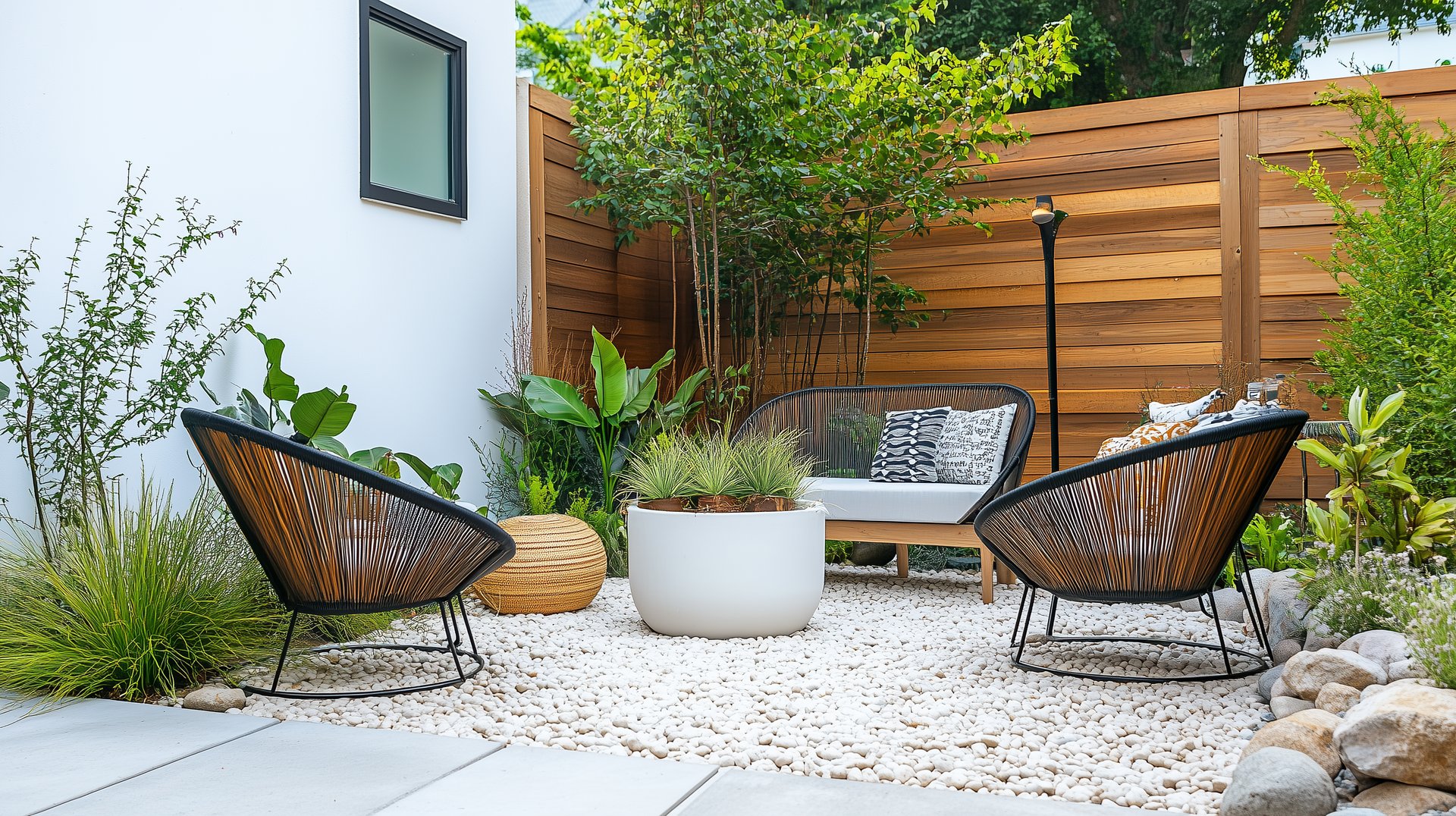
- Gravel and Rock Gardens: Use pea gravel or crushed stone as a functional, water-permeable mulch. This creates a clean, modern look, allows rainwater to soak into the soil, and provides a perfect backdrop for sculptural plants. Add a few larger boulders to create focal points and naturalistic appeal.
- Native Ground Covers: Replace turf with a carpet of low-growing, walkable plants. Varieties like creeping thyme, sedum, or native sedges form a dense mat that suppresses weeds, cools the soil, and requires minimal water once established. Many even offer the bonus of fragrant leaves or delicate flowers.
- Meadowscaping: For a softer, more natural look, convert a portion of your lawn into a meadow of native ornamental grasses and wildflowers. This creates a stunning, low-maintenance landscape that provides valuable habitat for pollinators and changes beautifully with the seasons.
Step 3: The Plant Palette – Your Drought-Tolerant All-Stars
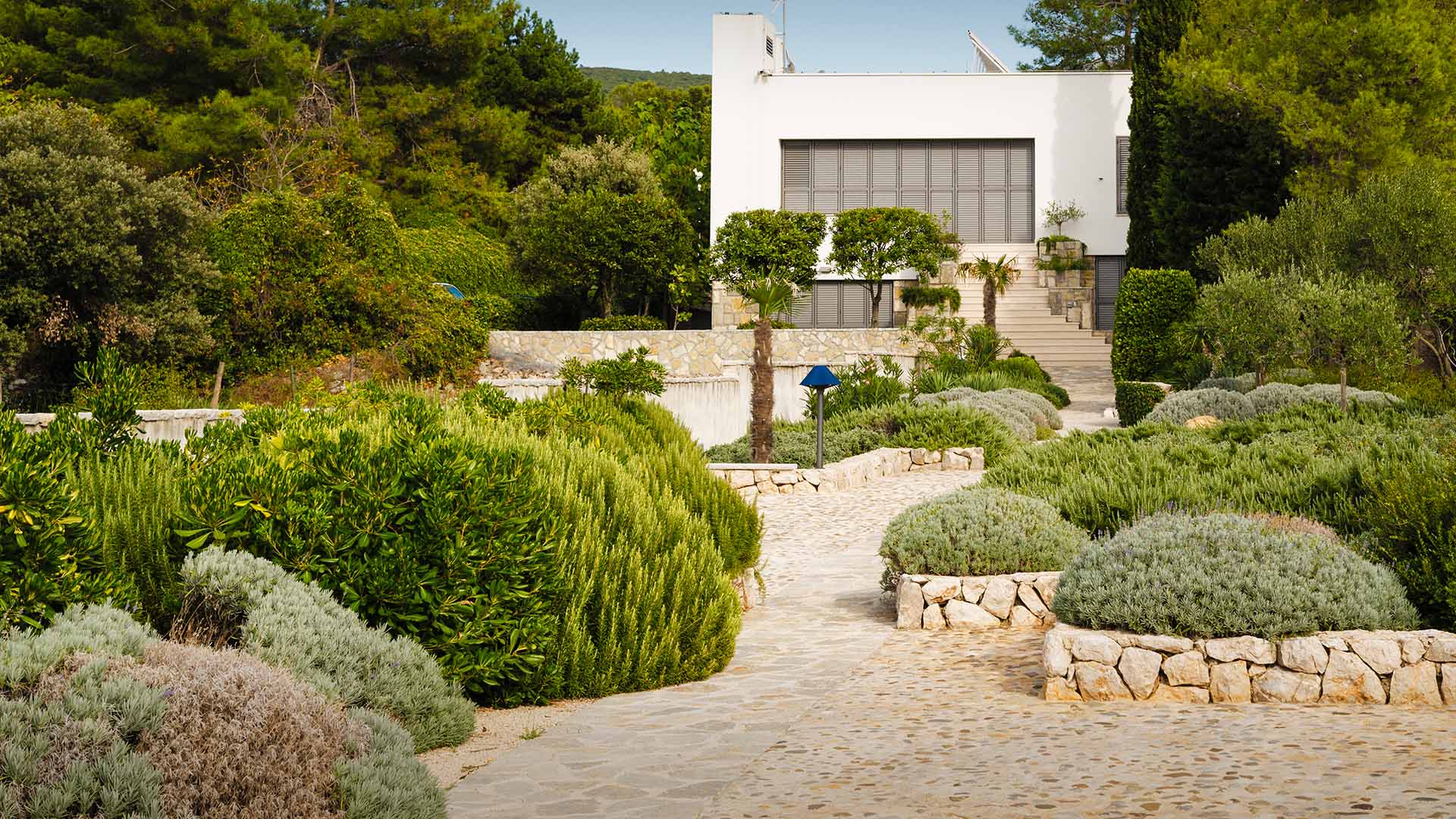
Choosing the right plants is the most exciting part of the process. The key is to prioritize plants that are native to your region, as they are genetically adapted to your local climate and soil conditions, requiring less intervention to thrive. Look for plants with characteristic water-wise features: silvery-gray foliage that reflects sunlight, thick, waxy leaves that store water, or fine, feathery textures that reduce moisture loss.
Here is a curated list of reliable performers for many North American regions:
- Structural Stars (for bold forms): Agave, Yucca, New Zealand Flax
- Perennial Color (for long-lasting blooms): Lavender, Yarrow (Achillea), Coneflower (Echinacea), Russian Sage (Perovskia), Blanket Flower (Gaillardia)
- Grasses & Texture (for movement and softness): Deer Grass (Muhlenbergia rigens), Blue Oat Grass (Helictotrichon sempervirens), Little Bluestem (Schizachyrium scoparium)
- Tough Ground Covers (for carpeting bare soil): Sedum (Stonecrop), Ice Plant (Delosperma), Creeping Thyme
Step 4: The Finishing Touches – Smart Hardscaping and Efficient Irrigation
The final elements of your design support the entire system, ensuring long-term health and efficiency.
- Permeable Surfaces: When creating patios, walkways, or driveways, opt for materials that allow water to pass through to the soil beneath. This includes permeable pavers, flagstones set in sand or gravel, or simple gravel paths. This practice reduces stormwater runoff and helps recharge groundwater.
- Mulch is Mandatory: Apply a 2-3 inch layer of organic mulch (like shredded bark or wood chips) around all your plants. Mulch is a landscape superhero: it suppresses weeds, moderates soil temperature, and, most importantly, dramatically reduces water evaporation from the soil surface.
- Water Smarter, Not Harder: Replace inefficient, high-arc sprinklers with a drip irrigation system or soaker hoses. These systems deliver water slowly and directly to the plant's root zone, where it's needed most, eliminating waste from runoff and evaporation.
Conclusion: Your Modern Oasis Awaits
Creating a beautiful, low-water landscape is a rewarding journey that transforms your yard from a source of work into a source of pride and enjoyment. By following these steps—Plan with intention, Replace thirsty turf, Plant a resilient palette, and Perfect the system with smart details—you can build a personal oasis that is both stunning and sustainable. This transformation is entirely achievable. For homeowners who want to ensure every detail is perfect and the result is a cohesive, professionally designed masterpiece, scape.id's online design services are the ideal first step. Let us help you create the modern, water-wise oasis you deserve.
Bring this idea into your own yard
Collaborate with our landscape team to turn inspiration into a practical, personalized design plan.