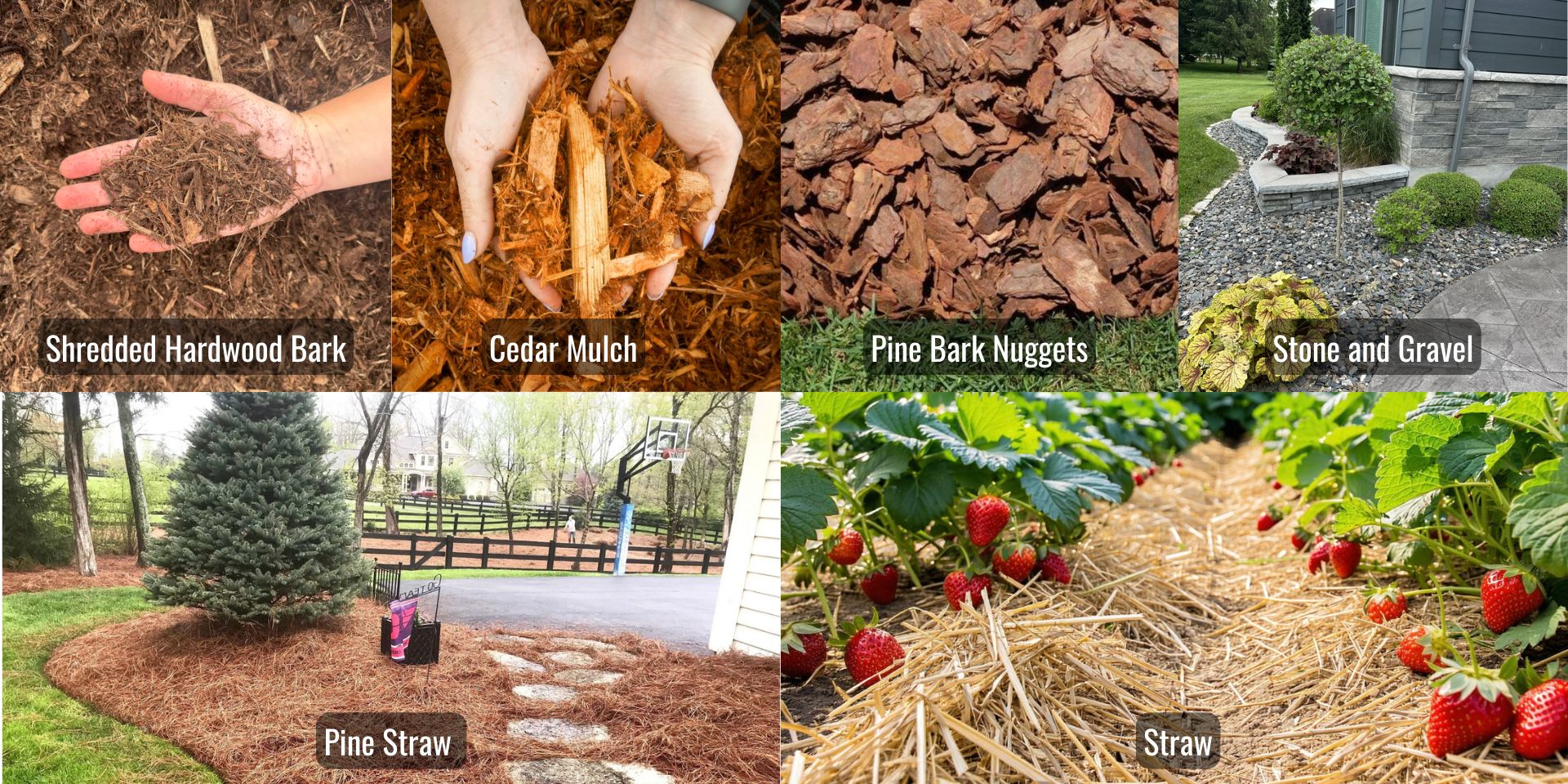
Choosing the right mulch is a critical decision for any landscaping project. Beyond just looks, mulch acts as a protective blanket for your garden, regulating soil temperature, retaining moisture, and suppressing persistent weeds. Here are the six most common mulch varieties, their unique benefits, and how they fit into your overall landscape design.
1. Shredded Hardwood Bark
Shredded hardwood is the "gold standard" for residential landscaping. It is a byproduct of the timber industry and is highly valued for its ability to interlock, which keeps it from washing away during heavy rain or wind.
- Best For: Slopes, embankments, and high-traffic garden beds.
- Soil Benefits: It decomposes slowly, adding organic matter and improving soil structure over time.
- Style Match: Provides a natural, traditional look that complements almost any home exterior.
2. Cedar Mulch
Cedar is a premium organic mulch known for its longevity and distinct, pleasant aroma. It contains natural oils that act as a deterrent for many common garden insects, such as ants, moths, and termites.
- Best For: Areas near the home’s foundation or around play sets where pest control is a priority.
- Soil Benefits: It decomposes much slower than other hardwoods, meaning you won’t have to top it off as frequently.
- Style Match: Features a lighter, golden-to-reddish hue that brings a warm, polished feel to the yard.
3. Pine Bark Nuggets
Unlike shredded options, pine bark comes in large, chunky "nuggets." These pieces are very dense and create a thick layer that is excellent at keeping the soil underneath cool.
- Best For: Flat garden beds and around large shrubs or established trees.
- Soil Benefits: Highly effective at moisture retention. Because the nuggets are large, they take a long time to break down.
- Style Match: The deep, dark brown color offers a bold contrast that makes green foliage and bright flowers stand out.
4. Pine Straw (Dried Pine Needles)
Pine straw is a lightweight, sustainable option. It is harvested from the forest floor after trees naturally shed their needles, making it an eco-friendly choice. It creates a breathable mat that allows water to penetrate easily while preventing erosion.
- Best For: Acid-loving plants like Azaleas, Camellias, and Hydrangeas, as it helps maintain a lower soil pH.
- Soil Benefits: It does not "crust" over, ensuring that air and nutrients always reach the roots.
- Style Match: Offers a soft, informal, and rustic appearance perfect for woodland-style gardens.
5. Straw
Not to be confused with hay, straw is a functional mulch used primarily in utility gardening. It is one of the best materials for insulating the ground against extreme temperature shifts.
- Best For: Vegetable gardens, newly seeded lawns, and winter protection for delicate perennials.
- Soil Benefits: Superior at retaining moisture and prevents soil-borne diseases from splashing onto the leaves of your plants.
- Style Match: Strictly functional; its bright yellow, agricultural look is best suited for back-of-house garden patches.
6. Stone and Gravel
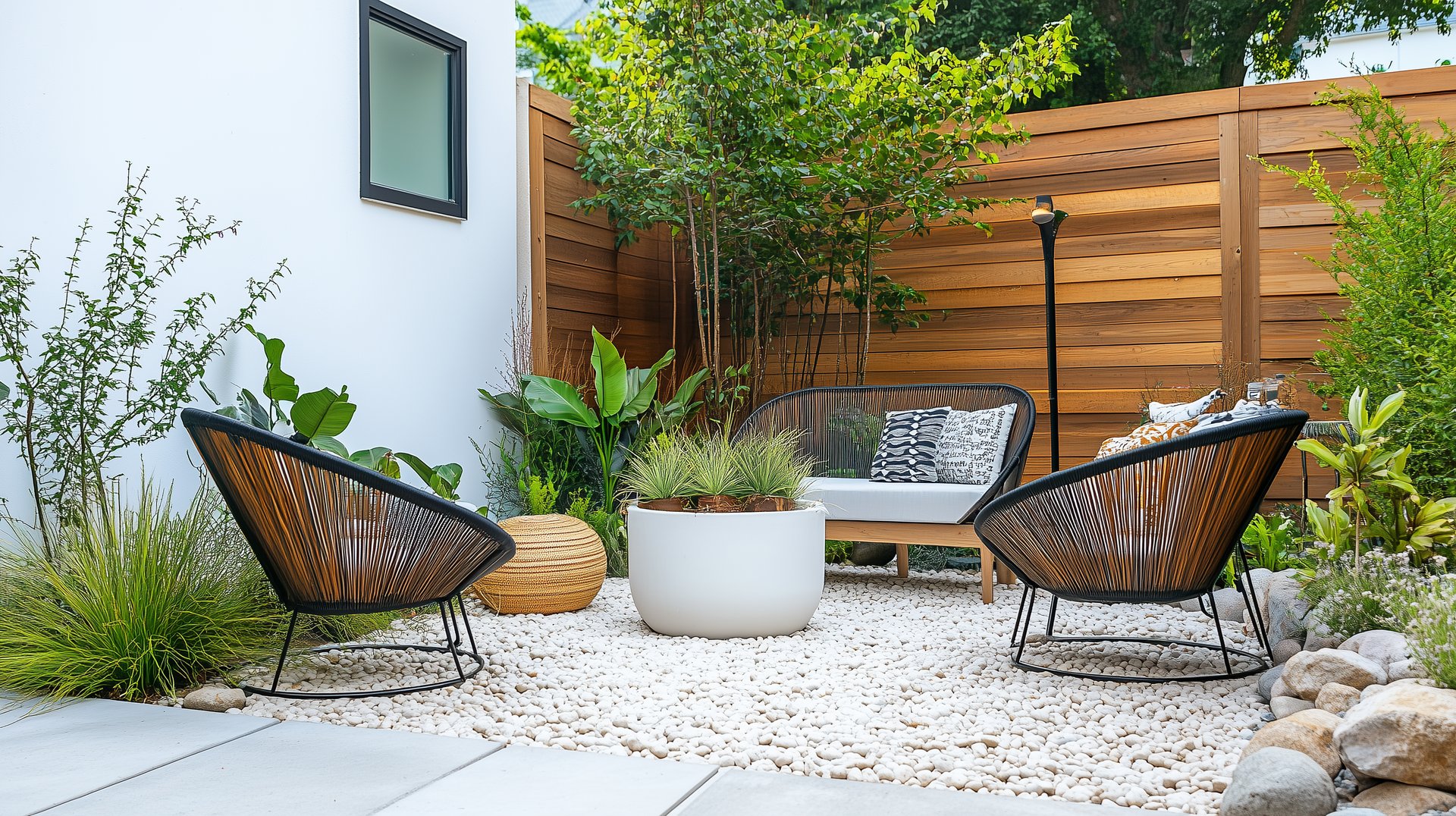
Using stone as a mulch is a permanent landscaping solution. While it doesn't offer the nutrient benefits of organic mulch, it never decomposes and provides a clean, modern finish that lasts for years.
- Best For: Modern landscapes, rock gardens, and areas with poor drainage where organic mulch might rot or grow mold.
- Soil Benefits: Provides excellent drainage and prevents soil erosion in areas with heavy rainfall.
- Style Match: Ideal for minimalist or Mediterranean-style designs where a sharp, structured aesthetic is desired.
Making the Final Choice
To choose the right mulch, consider your priority: is it soil health, pest control, or pure aesthetics? If you want to feed your plants, stick with Shredded Hardwood or Pine Straw. If you want a "set it and forget it" look for a modern home, Stone is your best bet.
By matching the right material to your specific environment, you'll create a landscape that is both healthy and visually stunning.
Bring this idea into your own yard
Collaborate with our landscape team to turn inspiration into a practical, personalized design plan.