A beautiful yard is a source of pride and joy. But what if your landscape could be more than just beautiful? What if it could be a force for good—an active, thriving ecosystem that cools your home, cleans your water, builds healthy soil, and provides a habitat for essential local wildlife?
This is the promise of regenerative landscape design.
While many of us are familiar with "sustainable" practices, regenerative design takes the concept a crucial step further. It’s a holistic approach that moves beyond simply reducing our environmental impact and aims to actively heal and improve the local ecosystem. It’s about creating a landscape that gives back more than it takes.
This guide will walk you through the core principles of regenerative landscape design, exploring how you can transform your yard from a consumer of resources into a beautiful, resilient, and productive ecosystem.
What is Regenerative Landscape Design?
To understand what regenerative design is, it helps to understand what it isn't.
- Traditional Landscaping: Often relies on a model of control. It uses significant resources like water and chemical fertilizers to maintain a static aesthetic, frequently centered around a monoculture like a grass lawn.
- Sustainable Landscaping: Aims to "do no harm." This approach focuses on resource conservation by using fewer pesticides, reducing water use, and incorporating some drought-tolerant plants. It’s a great step in the right direction, but its goal is often to achieve a neutral impact.
- Regenerative Landscape Design: Aims to have a net-positive impact. This design philosophy sees your yard as a living system and an opportunity to actively restore ecological function. It works with nature, not against it, to create a self-sustaining ecosystem that improves soil health, enhances biodiversity, and manages the water cycle effectively.
In short, while sustainability tries to put the brakes on environmental damage, regeneration puts the car in reverse, actively working to undo it.
Why Choose a Regenerative Approach? The Core Benefits
Adopting regenerative principles doesn't mean sacrificing beauty for function. In fact, it often leads to more dynamic, vibrant, and engaging outdoor spaces. The benefits are interconnected and create a powerful positive feedback loop for your property and the planet.
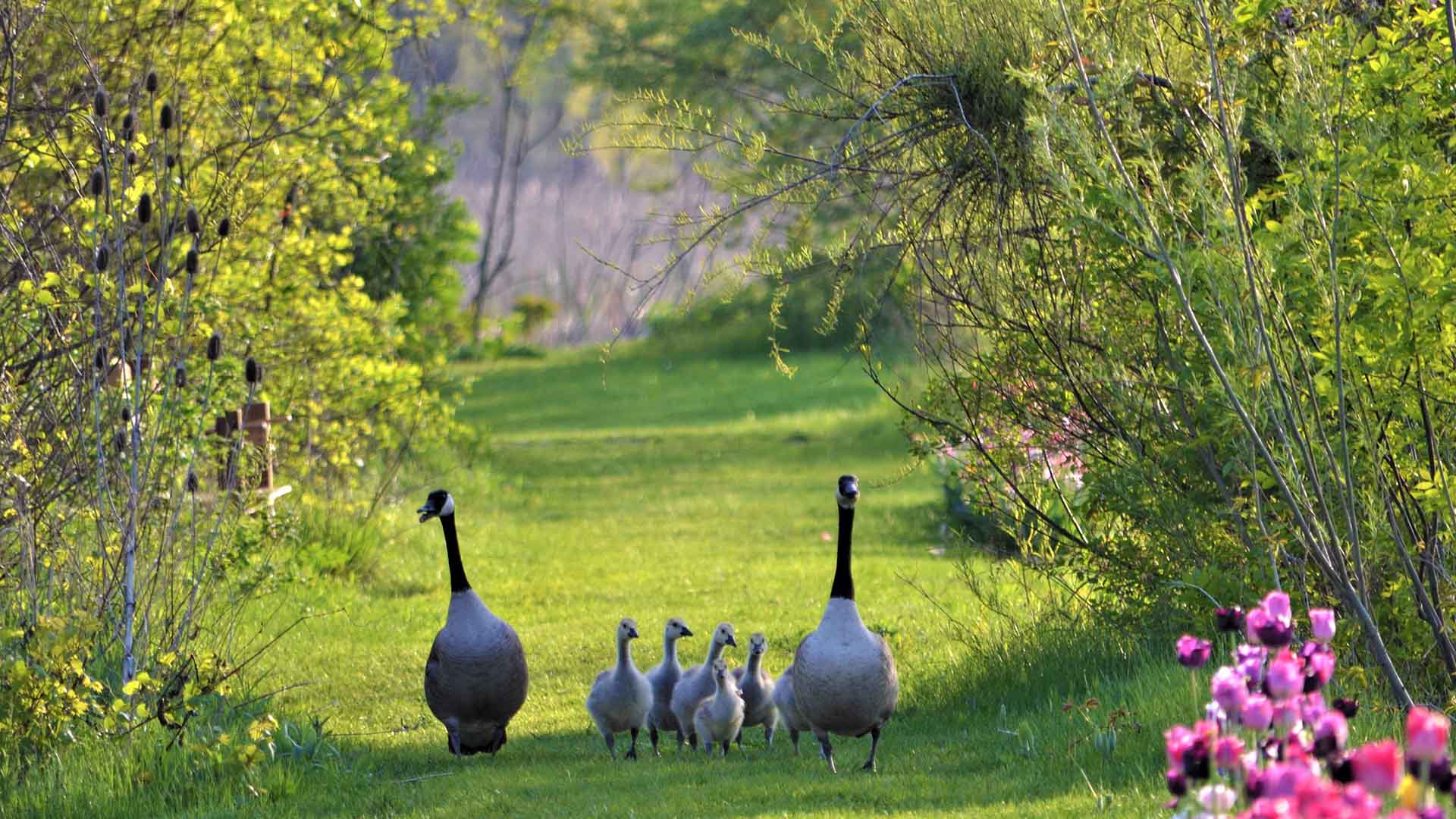
- Heal Your Local Ecosystem: By prioritizing native plants, you provide essential food and shelter for local pollinators like bees and butterflies, as well as birds and other wildlife. Your yard becomes a vital stop in a larger ecological network.
- Build Healthy, Living Soil: Regenerative practices treat soil not as dirt, but as a living ecosystem teeming with microorganisms. By composting, mulching, and avoiding tilling, you help your soil sequester more carbon from the atmosphere, turning your yard into a tool to fight climate change.
- Conserve and Clean Water: A regenerative landscape is designed to capture, slow, and absorb rainwater rather than letting it run off into storm drains. Features like rain gardens and permeable pavers reduce runoff, recharge groundwater, and use the natural power of plants and soil to filter pollutants.
- Create a Resilient, Low-Maintenance Yard: A healthy, diverse ecosystem is naturally more resistant to pests and diseases. Healthy soil retains moisture better, reducing the need for constant watering, while native plants are already adapted to your local climate, meaning less fuss and more enjoyment.
- Enhance Beauty and Connection: A regenerative yard is alive with the sights and sounds of nature. It offers four-season interest, from spring blossoms to the texture of ornamental grasses in the winter, creating a deep sense of connection to the natural world right outside your door.
The 5 Core Principles of Regenerative Landscape Design
Transforming your yard into a regenerative oasis is a journey, not a destination. It begins with understanding these five interconnected principles.
1. Start with the Soil
Healthy soil is the foundation of all life. Instead of feeding the plants with synthetic fertilizers, regenerative design focuses on feeding the soil. How to Apply It:
- Start a Compost System: Turn your kitchen scraps and yard trimmings into "black gold." Compost adds vital nutrients and organic matter that builds soil structure and feeds the microbial life within it.
- Mulch, Mulch, Mulch: Cover bare soil with a layer of wood chips, leaves, or other organic material. Mulch protects the soil from erosion, suppresses weeds, retains moisture, and breaks down over time to add more organic matter.
- Ditch the Chemicals: Eliminate pesticides, herbicides, and synthetic fertilizers. These chemicals disrupt the delicate soil food web and can pollute local waterways.
2. Manage the Water Cycle
In a regenerative system, water is a precious resource to be captured and used, not a problem to be drained away. The goal is to slow, spread, and sink every drop of rain that falls on your property.
How to Apply It:
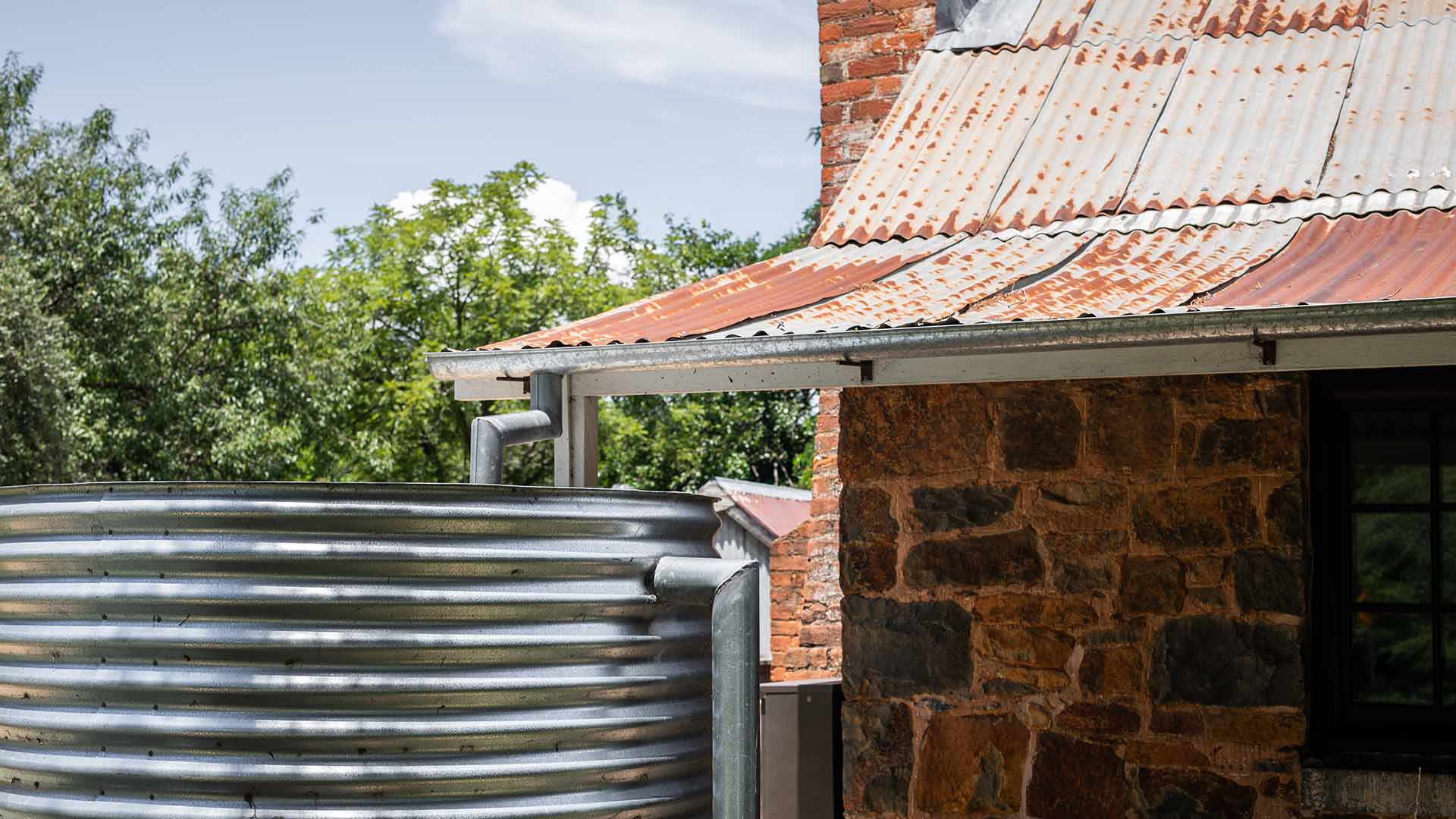
- Harvest Rainwater: Install rain barrels to capture runoff from your roof for later use in the garden.
- Plant a Rain Garden: Design a shallow depression planted with water-loving native plants to collect and absorb runoff from roofs, driveways, and other non-permeable surfaces.
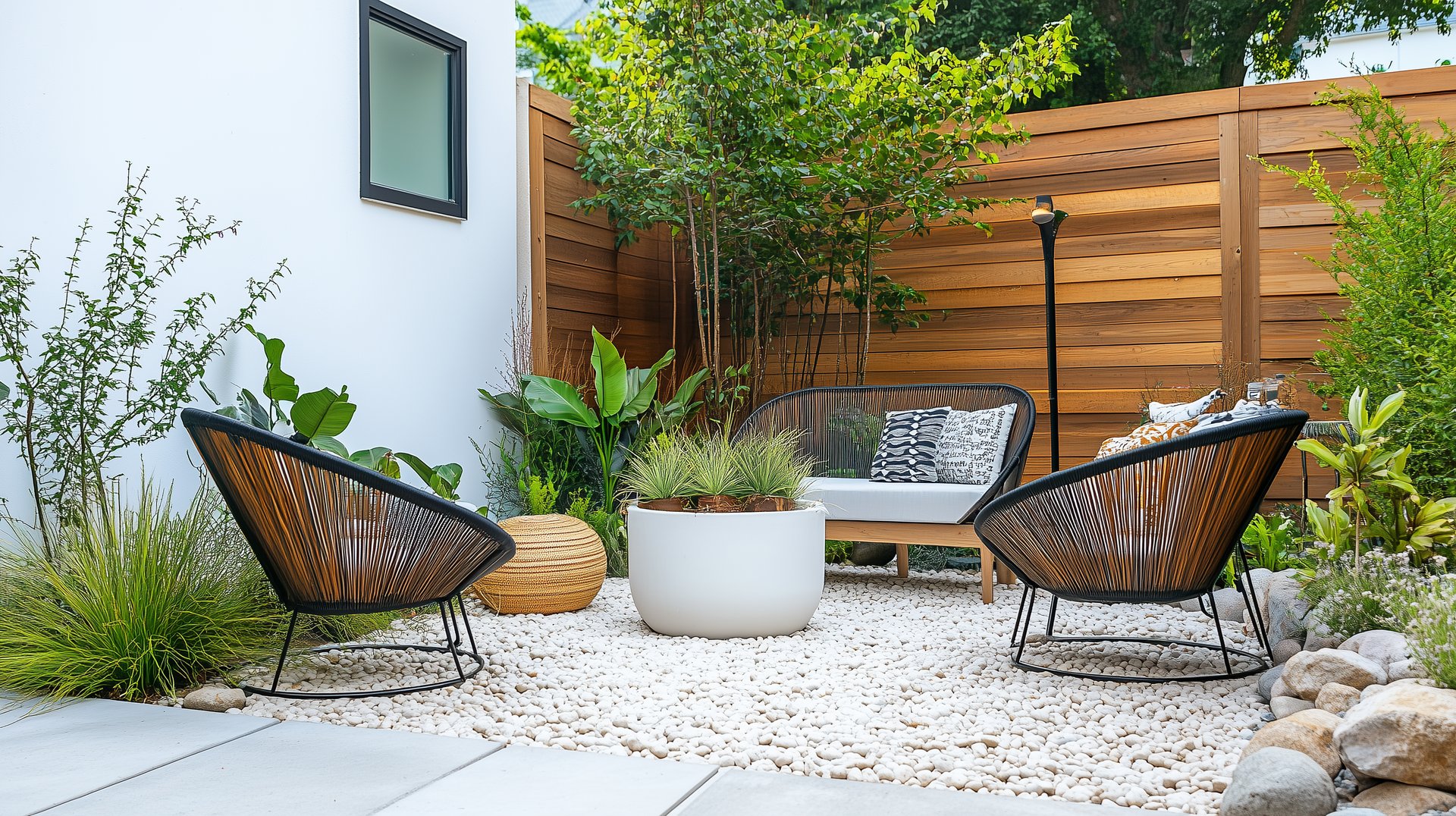
- Choose Permeable Hardscaping: When designing patios, walkways, or driveways, opt for materials like gravel, permeable pavers, or decomposed granite that allow water to soak into the ground instead of running off.
3. Prioritize Native Plants
Native plants are the ecological superheroes of your garden. They have co-evolved with your local climate, soil, and wildlife for millennia, making them the perfect choice for a low-maintenance, high-impact landscape.
How to Apply It:
- Replace Your Lawn (Even Just a Little): The traditional grass lawn offers very little ecological value. Consider replacing a portion of it with a native wildflower meadow or a tapestry lawn to attract pollinators and reduce mowing.
- Think in Communities: Research which native plants grow together naturally in your region and plant them in groups. This creates a more resilient and authentic habitat.
- Choose the Right Plant for the Right Place: Pay attention to your yard's sun, shade, and moisture levels, and select native species that will thrive in those specific conditions without extra intervention.
4. Create a Layered Habitat
A healthy ecosystem is not a flat plane; it’s a multi-layered community of plants working together. By mimicking the structure of a natural forest, you can create more niches for wildlife and increase the overall health of your yard.
How to Apply It:
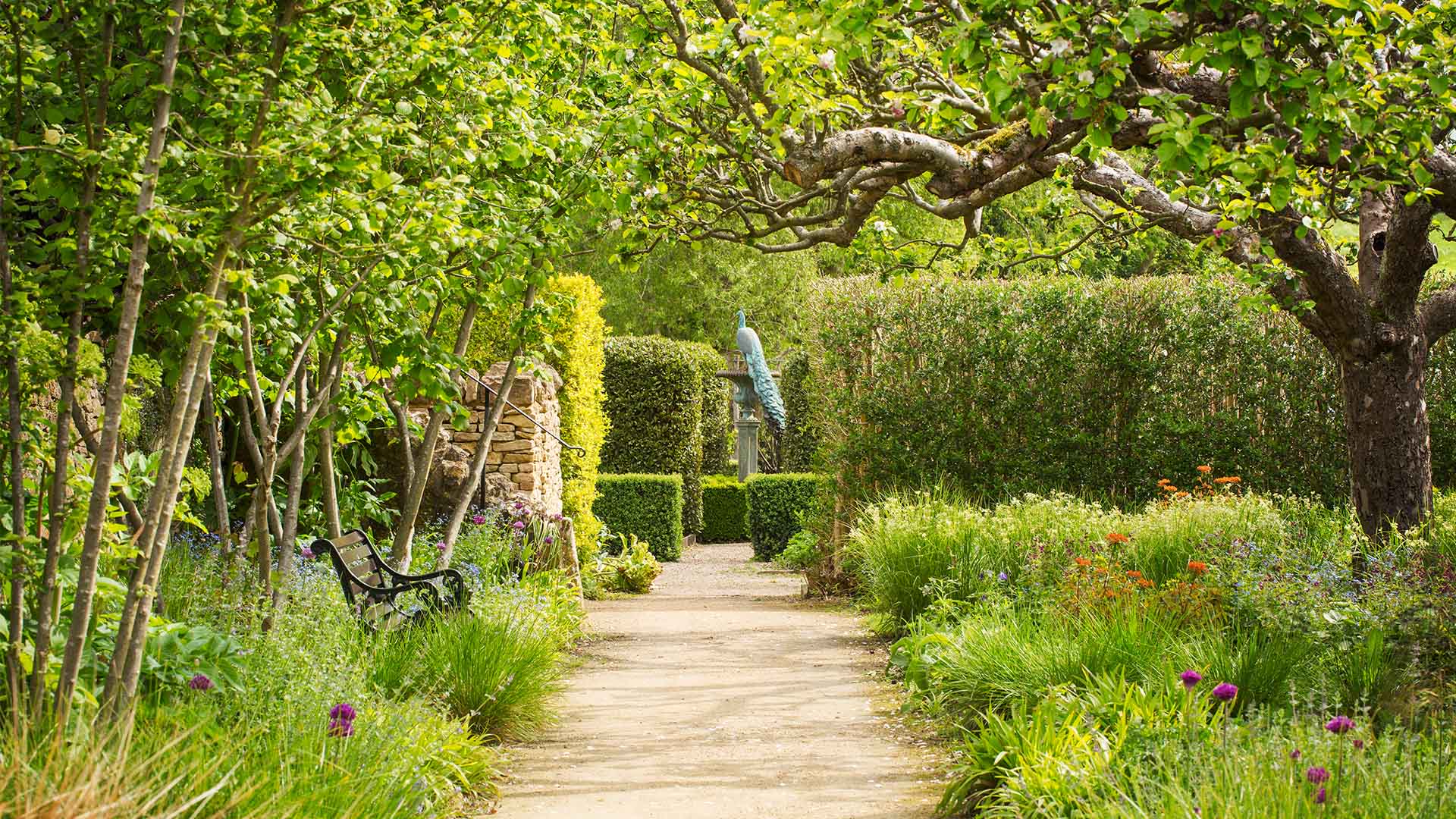
- Plant in Layers: Incorporate a mix of plant types: tall canopy trees, smaller understory trees, shrubs, herbaceous perennials, and groundcovers.
- Provide Food, Water, and Shelter: A complete habitat includes food sources (like berry-producing shrubs), a clean water source (like a simple birdbath), and shelter (like evergreen shrubs or a brush pile).
- Embrace "Messiness": Leaving seed heads on perennials through the winter provides food for birds, and fallen leaves offer cover for beneficial insects.
5. Close the Loop
In nature, there is no waste. Every fallen leaf, every dead branch is a resource that gets recycled back into the system. A regenerative garden aims to mimic this closed-loop cycle.
How to Apply It:
- Compost Everything: As mentioned in principle #1, composting is the ultimate act of closing the loop, turning "waste" into a valuable resource.
- "Chop and Drop": When you prune perennials or shrubs, simply chop the cuttings into smaller pieces and leave them on the soil surface to decompose and act as a natural mulch.
- Use Fallen Leaves: Instead of bagging leaves, rake them into your garden beds or mow over them to create a nutrient-rich mulch that will feed your soil all winter long.
Getting Started: Your First Steps Toward a Regenerative Yard
The idea of transforming your entire property can feel overwhelming, but it doesn’t have to be. Regenerative design is a process, and every small step makes a difference.
- Observe Your Land: Before you do anything, spend time in your yard. Notice where the sun hits, where the water flows when it rains, and what plants and animals are already there.
- Start Small: Pick one manageable project. Remove a 5x5 foot patch of lawn and create a pollinator garden. Set up a compost bin. Install a rain barrel. Small successes will build momentum.
- Stop Using Chemicals: The single most impactful first step you can take is to stop using synthetic fertilizers and pesticides. This allows the natural life in your soil to begin recovering immediately.
- Seek Expert Guidance: A professional designer trained in regenerative practices can help you see the hidden potential in your property and develop a holistic, long-term plan that is both beautiful and ecologically functional.
Your Yard is More Than Just Land—It's an Opportunity
Regenerative landscape design reframes the very idea of a yard. It’s not just a space to be managed and maintained; it’s a dynamic ecosystem you can partner with. It’s a chance to create a stunningly beautiful space that reflects your values, connects you with nature, and leaves your corner of the world a little healthier than you found it.
Ready to transform your yard into a thriving, regenerative oasis? Explore how Scape iD's collaborative design process can bring your vision to life.
Bring this idea into your own yard
Collaborate with our landscape team to turn inspiration into a practical, personalized design plan.