Gravel is a classic choice for modern landscaping, offering a clean, permeable, and affordable alternative to high-maintenance lawns. However, many homeowners are frustrated when their pristine stone paths eventually become overrun with weeds. The secret to a truly low-maintenance yard isn't just the gravel itself, but the engineering beneath it.
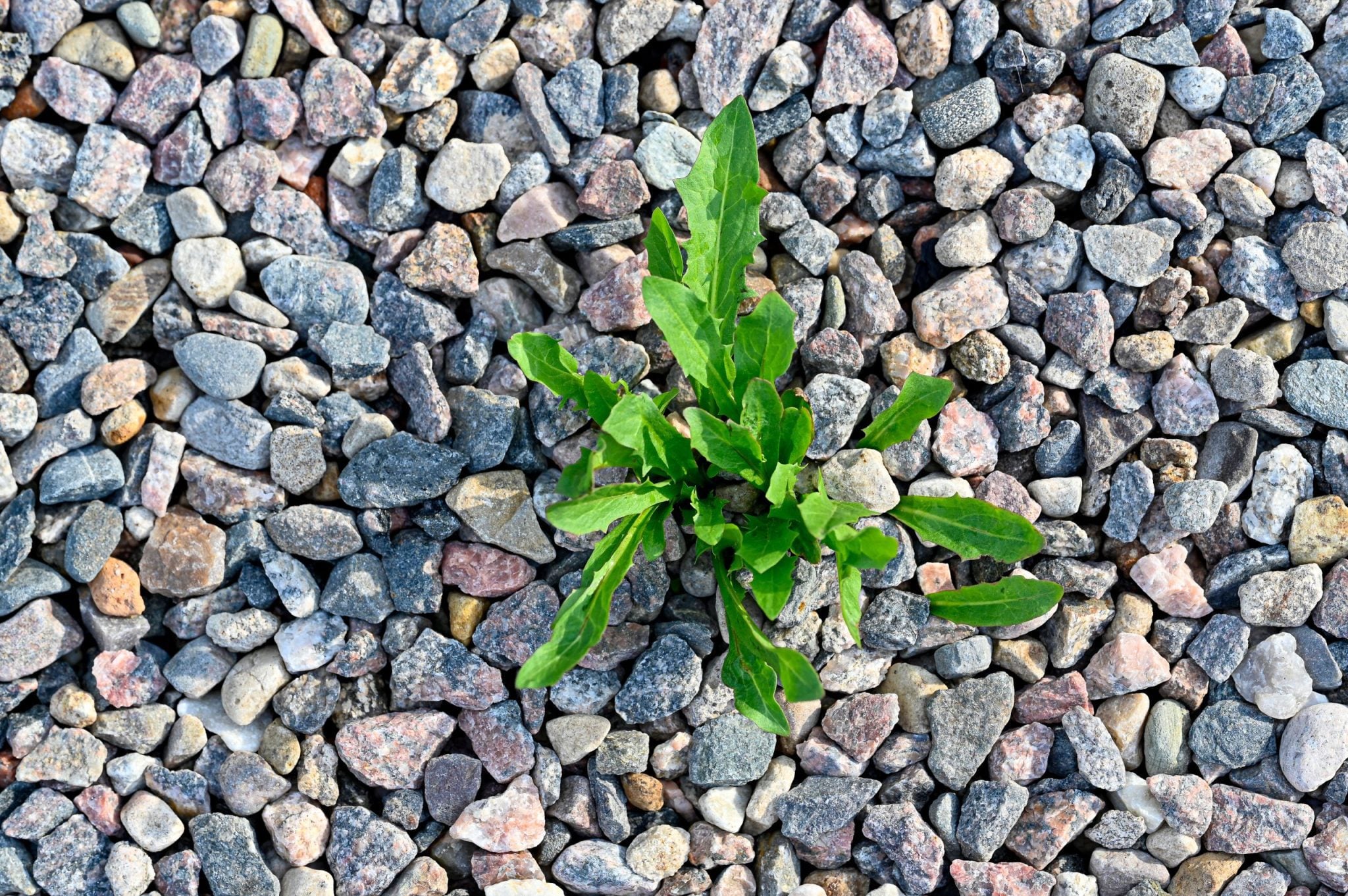
To keep your yard looking pristine, you must realize that weeds attack from two directions: underneath (dormant seeds in the soil) and above (wind-blown seeds settling on top). By following these five professional tips, you can build and maintain a gravel landscape that stays beautiful and weed-free for years.
1. Master the Foundation (Site Prep & Soil Compaction)
The most common mistake is simply dumping gravel straight onto the grass or dirt. This leads to a soft, shifting surface where gravel eventually sinks into the mud, allowing weeds to thrive.
- Eradication First: Before laying anything down, use a systemic herbicide like glyphosate to destroy the roots of perennial weeds.
- Soil Compaction: Run a plate compactor over the bare soil to create a dense, hard base. Understanding your soil's California Bearing Ratio (CBR) is key. If your CBR is low (under 3, meaning soft, wet clay), vehicles will push loose gravel directly into the soil. In fact, an unreinforced driveway can lose 2 to 3 inches of gravel thickness per year!
- Material Savings: Putting a heavy-duty fabric barrier over soft soil actually lets you use less gravel. For a typical 20-foot by 10-foot parking pad, you would normally need about 6 inches of gravel to keep cars from sinking into soft dirt. But with a strong fabric underneath, you can safely reduce that gravel depth by a third—down to just 4 inches. This small change saves you nearly 2 tons of heavy stone, cutting down your material costs, delivery fees, and manual labor!
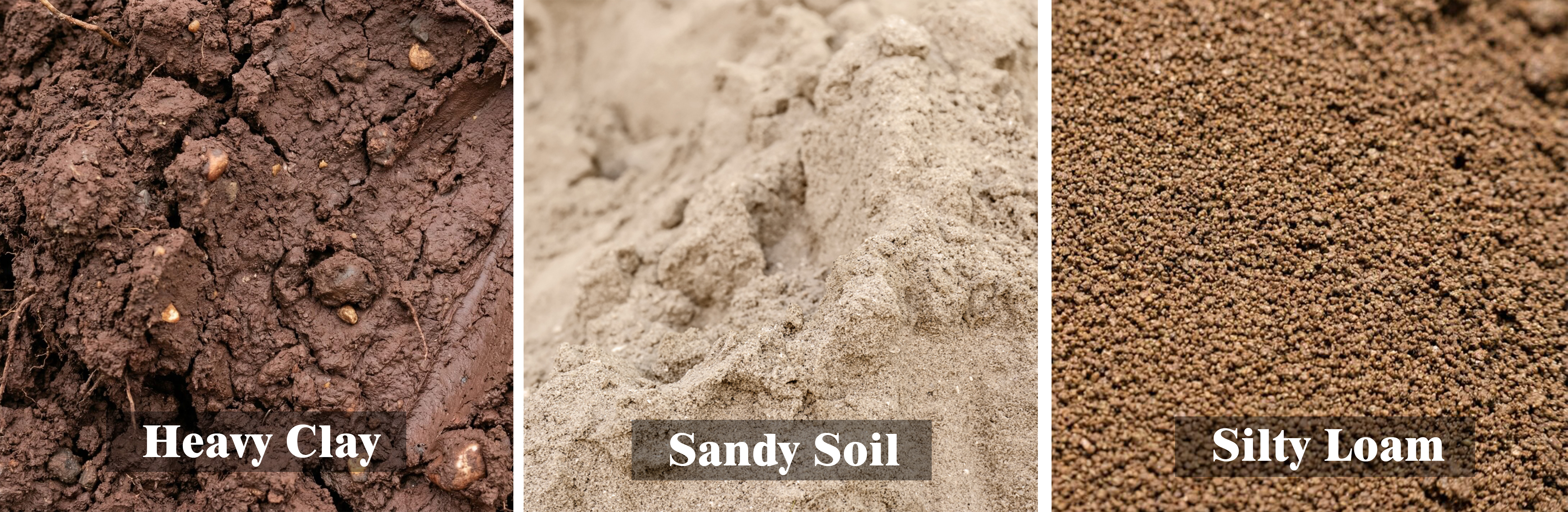
| Soil Type | Best Compaction Method | Weed Risk | Soil Behavior |
| Heavy Clay | Heavy Roller | High | Holds moisture; prone to shifting |
| Sandy Soil | Vibratory compaction | Low | Excellent drainage; naturally stable |
| Silty Loam | Plate Compactor | Moderate | Fine soil particles can migrate |
2. Choose High-Quality Geotextile Barriers
Skip the flimsy, cheap plastic or thin landscape fabric from the local garden center, as they are prone to tearing. To protect your investment, you need heavy-duty geotextile fabric designed for civil engineering and construction.
- UV Stabilization: Ensure your fabric is labeled with a UV-resistance grade of at least 3. This prevents the fabric from getting brittle and cracking if exposed to the sun during installation.
- Pinning Guidelines: Overlap fabric sheets by at least 6 to 8 inches. Secure the seams using 11-gauge, hot-dipped galvanized U-pins (6 inches long with a 1-inch crown). Drive them flush with a white rubber mallet to protect the galvanized coating.
| Geotextile Type | Tensile Strength | Drainage Permeability | Best Application |
| Woven (300 g/m²) | High (200–400 lbs) | Low | Driveways and heavy traffic |
| Non-Woven (200–250 g/m²) | Medium (100–200 lbs) | High | Pathways and garden drainage |
3. Lock It Down with Angular Stone & Limestone
The physical and chemical makeup of your gravel plays a massive role in weed prevention.
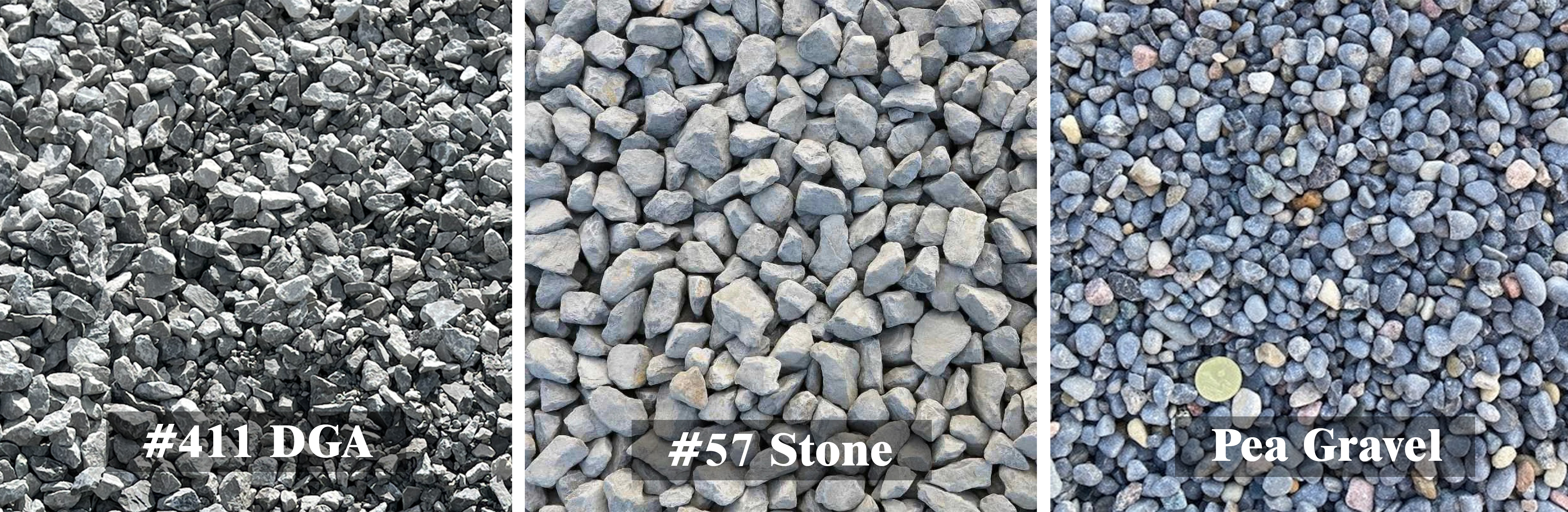
- Shape Matters: Avoid smooth, rounded stones like pea gravel for pathways. Because they act like tiny ball bearings, rounded stones shift constantly, creating low spots and deep gaps where dirt and seeds settle. Instead, use angular stones (like crushed granite or #57 stone). Their sharp edges lock together under pressure to form a rigid, compact surface.
- The Limestone pH Buffer: Choosing crushed limestone as your aggregate or mulch adds a chemical line of defense. Limestone is rich in calcium carbonate (CaCO3). As it slowly weathers, it neutralizes acidic soils (pH below 7) and raises the pH into the alkaline range (above 7.5), creating an inhospitable environment for most weed seeds.Note: Keep limestone away from acid-loving plants like azaleas, blueberries, and rhododendrons, which will struggle in alkaline environments.
- Thickness: Keep a stone layer of at least 2 to 3 inches in garden beds and 2 to 4 inches on driveways to block light and suppress germination. Avoid using stones larger than 2 inches in diameter, as the gaps between them invite weeds.
| Gravel Grade | Size | Shape | Best Use |
| #411 DGA (Dense Grade) | 0 to 1 inch | Mixed (with stone dust) | Driveway surfaces (Maximum weed resistance; packs down like solid pavement) |
| #57 Stone | 1/2 to 1 inch | Angular | Paths, driveways, and drainage (High weed resistance; sharp edges lock tightly together) |
| Pea Gravel | 1/8 to 3/8 inch | Rounded | Playgrounds and casual patios (Poor weed resistance; comfortable underfoot but shifts easily) |
4. Fortify Your Borders with Deep Edging
A flawless gravel surface can easily be ruined from the edges. Aggressive turf grasses like Bermuda grass spread horizontally using underground runners called rhizomes.
- Edging Depth: Lightweight, 3-inch plastic edging will quickly lift out of the soil due to frost heave and fail to block roots. Install professional-grade metal or heavy-duty composite edging to a depth of 4 to 6 inches. This creates an impenetrable subterranean wall.
- Above-Ground Shield: Leave 1 to 2 inches of the edging protruding above the soil. This stops grass clippings (which harbor weed seeds) from blowing into your gravel during mowing.
- Alternative Trenches: If you prefer a natural border, dig a 3-to-4-inch deep V-shaped trench around your perimeter. Alternatively, dig a 4-to-6-inch U-shaped trench and fill it with compacted limestone screenings to create a packed barrier.
5. Practice Proactive Surface Hygiene
Even with a heavy fabric and a perfect base, dust, leaves, and grass clippings will settle on top of your gravel. As this organic debris decomposes, it turns into a nutrient-rich compost layer right on top of your weed fabric. This is how weeds take root above your barrier.
- Debris Blowing: Make a habit of using a leaf blower regularly to clear leaves, twigs, and debris before they can break down into soil.
- Thermal Suppression (Flame Weeding): A propane weed torch is a highly effective, chemical-free tool. Pass the flame over young weeds to cause thermal shock (140–180°F), rupturing their plant cells. This is most efficient when done in the afternoon after morning dew has evaporated.
- Horticultural Vinegar Spray: Mix 1 gallon of high-strength horticultural vinegar (20% acetic acid, which is much stronger than household's 5%) with 1 cup of table salt (sodium chloride, NaCl) and 1 tablespoon of liquid dish soap (acts as a surfactant to help the solution stick).Caution: Salt persists in the soil for 6 to 18 months, so only use this in areas where you never want plants to grow again.
- Winter Maintenance: Avoid using snowplows directly on loose gravel, as they displace the stone. Leave about 1 inch of snow on the surface to preserve your gravel base.
Bonus: Fire-Smart Defensible Space
A clean, weed-free gravel landscape does more than look good—it protects your home. Fire safety extensions emphasize creating a 5-foot "non-combustible Zone 0" directly around your home's foundation. Replacing wood mulch with gravel or stone in this immediate zone prevents blowing embers from igniting your home during a wildfire, making your yard beautiful, low-maintenance, and safe.
Conclusion: Your Path to a Stress-Free Yard
Achieving a beautiful, weed-free gravel yard doesn't require endless hours of manual labor or constant chemical spraying. By taking the time to prepare a solid, compacted foundation, laying down a commercial-grade fabric, choosing interlocking angular stones, securing your borders with deep edging, and keeping the surface free of organic debris, you can lock out weeds for good. Not only will you save money on seasonal maintenance, but you will also create a clean, modern, and fire-safe landscape that you can enjoy for decades to come.
References
- Mulch Pros: How to Keep Weeds Out of Your Gravel :(https://mulchpros.com/blog/how-to-keep-weeds-out-of-your-gravel/)
- Jinseed-geo: Geotextile Cloth Under Gravel : (Jinseed-geo: Geotextile Cloth Under Gravel)
- Ready for Wildfire: Fire-Smart Landscaping : (https://www.readyforwildfire.org/prepare-for-wildfire/fire-smart-landscaping/)
- Bethel Farms: How to Keep Grass From Invading the Flower Beds: (https://bethelfarms.com/blogs/bethel-blog/how-to-keep-grass-from-invading-the-flower-beds)
Bring this idea into your own yard
Collaborate with our landscape team to turn inspiration into a practical, personalized design plan.