For most gardeners, the focus is on what we can see: vibrant flowers, lush foliage, and bountiful harvests. We spend our time watering, pruning, and staking our plants. But the true secret to a resilient, beautiful garden isn’t found in the leaves and stems it’s hidden right under our feet. The foundation of any thriving landscape is not just dirt; it's a complex, living ecosystem we call soil.
Shifting our focus from feeding the plants to feeding the soil is the single most powerful change we can make in our gardens. It’s the core principle of regenerative design, and it not only creates healthier plants but also allows our yards to become a powerful force for planetary good.
More Than Just Dirt: What is Healthy Soil?
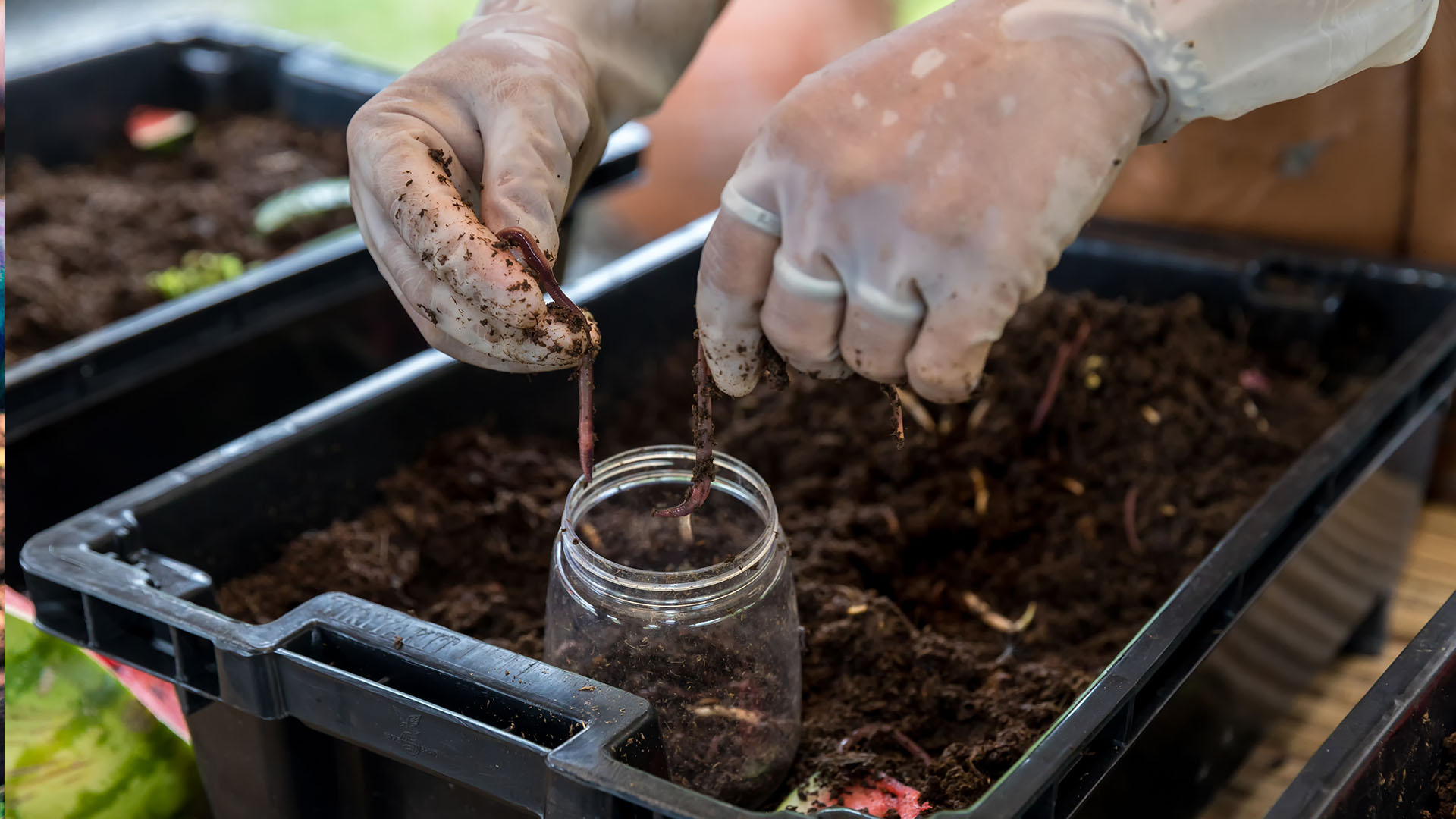
Healthy soil is defined as a living ecosystem that sustains plants, animals, and humans.Think of it less as an inert substance and more as a bustling underground city. A single teaspoon of healthy soil can contain billions of microorganisms, including bacteria, fungi, and protozoa, all working together in a complex network known as the soil food web.
This vibrant community is what makes a garden thrive. These organisms break down organic matter, recycle nutrients, and create a perfect structure for plant roots to flourish. When this ecosystem is damaged by tilling, compaction, or chemical use the system breaks down, and our gardens begin to struggle.
The Garden-Level Benefits of Living Soil
When you prioritize building healthy soil, you’ll see a dramatic transformation in your garden’s resilience and beauty.
- Better Nutrition and Fewer Fertilizers: In a healthy soil ecosystem, microorganisms act as microscopic chefs for your plants. They break down organic matter and minerals into forms that plant roots can easily absorb.This constant, natural nutrient cycling means your plants get a steady diet of everything they need, reducing or eliminating the need for synthetic fertilizers.
- Improved Water Retention: Organic matter is the key to a water-wise garden. It acts like a sponge, absorbing and holding onto rainwater, releasing it slowly to plant roots when needed. Increasing your soil’s organic matter by just 1% can significantly increase its water-holding capacity, making your garden more resilient to drought.
- Natural Pest and Disease Resistance: A diverse community of soil organisms helps keep pests and diseases in check. Beneficial microbes can out-compete pathogenic ones, protecting your plants from harm and creating a more balanced, self-regulating garden.
- Stronger, Deeper Roots: Healthy soil has a crumbly, airy structure that allows roots to grow deep and wide. This strong root system makes plants more stable and better able to access water and nutrients, even during stressful conditions.
The Bigger Picture: How Your Garden Can Heal the Planet
The benefits of healthy soil extend far beyond your property line. By adopting soil-first gardening practices, your yard becomes a small but mighty part of the climate solution.
- Carbon Sequestration: Your garden can become a "carbon sink." Through photosynthesis, plants pull carbon dioxide (CO2) from the atmosphere. They use some of this carbon to grow, but they also send a significant amount down to their roots to trade with soil microbes for nutrients. This process locks carbon away in the soil, where it can remain for hundreds of years in a stable form called humus. Conventional practices like tilling break up the soil and release this stored carbon back into the atmosphere. By keeping your soil healthy and undisturbed, you are actively helping to reverse climate change.
- Cleaner Water and Air: Healthy soil is a master filter. Its porous structure allows rainwater to soak in, preventing erosion and polluted runoff from entering our rivers and streams. As the water percolates through the soil, microbes and minerals naturally filter out pollutants, helping to recharge clean groundwater.Healthy soil also traps dust and particulates, leading to cleaner air.
4 Practical Steps to Build Living Soil
Ready to turn your yard into a regenerative powerhouse? It’s simpler than you think. The focus is on working with nature, not against it.
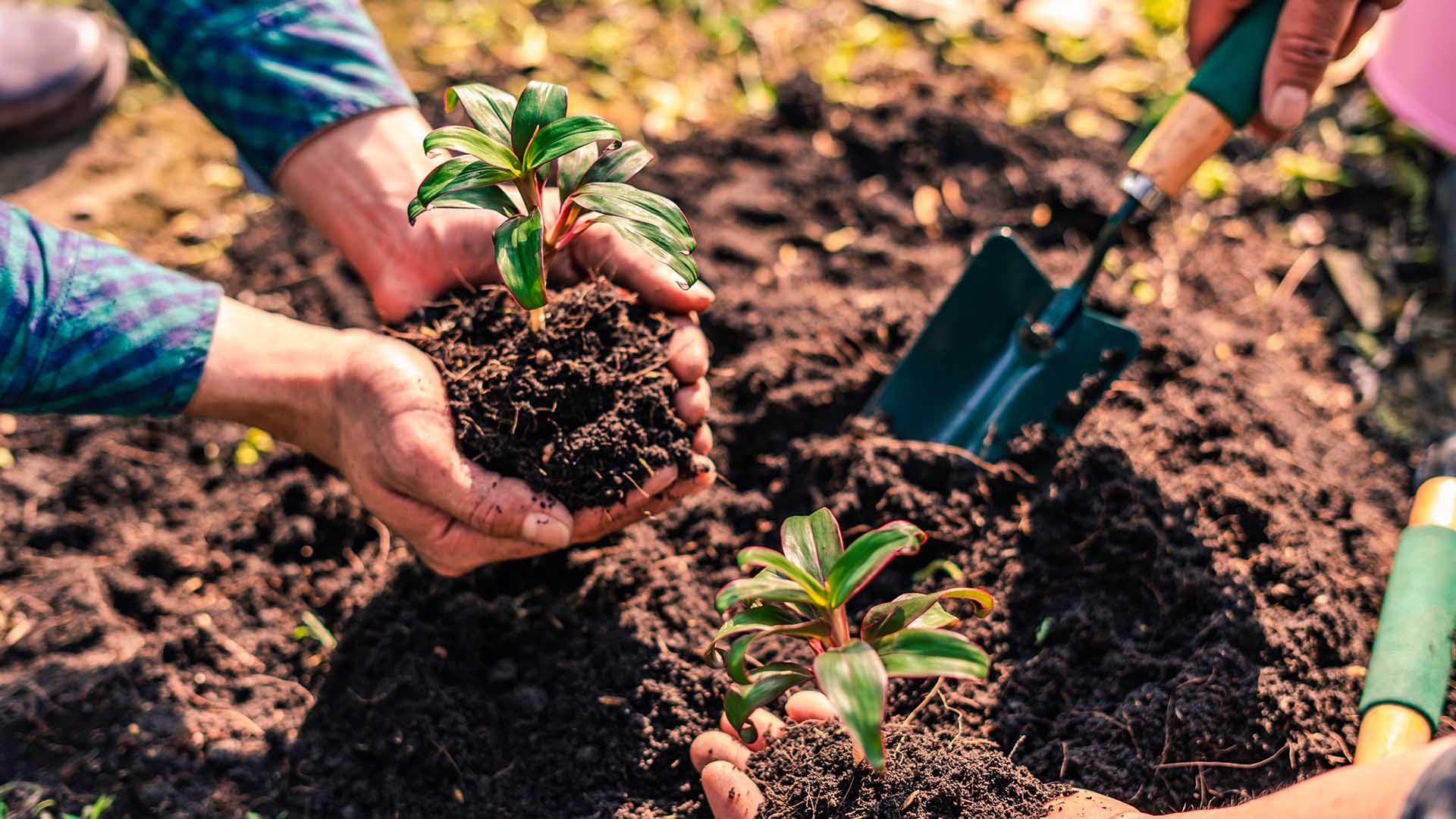
- Add Organic Matter (Compost is King): This is the golden rule of soil health. Regularly top-dressing your garden beds with a layer of high-quality compost is the fastest way to introduce nutrients and beneficial microorganisms. Compost feeds the soil food web, improves structure, and boosts water retention.
- Keep the Soil Covered at All Times: Bare soil is vulnerable soil. It’s susceptible to erosion from wind and rain, and the sun’s heat can kill off beneficial microbes. Protect your soil by using a layer of organic mulch, such as wood chips, shredded leaves, or straw. Mulch conserves moisture, suppresses weeds, and slowly breaks down to add more organic matter to the soil. In the off-season, consider planting cover crops like clover or vetch to keep living roots in the ground.
- Minimize Soil Disturbance: Every time we till or turn the soil, we destroy the delicate fungal networks and microbial communities that are essential for a healthy garden.15 Adopt a "no-till" or "low-till" approach. Instead of digging, simply layer compost and mulch on top of your beds each year. When a plant's life is over, cut it at the base and leave the roots in the ground to decompose, providing food for the soil life.
- Increase Plant Diversity: Different plants have unique relationships with soil microbes and draw on different nutrients. Planting a wide variety of species—and rotating where you plant vegetables each year—helps create a more resilient and balanced soil ecosystem and prevents the buildup of pests and diseases.
The Foundation of a Better World
By shifting your perspective and treating your soil as a living partner, you unlock the secret to a garden that is not only more beautiful and productive but also a vital part of a healthier planet. Every handful of compost you add, every patch of soil you mulch, is an act of regeneration that echoes far beyond your fence.
Ready to design a landscape that starts with the soil? Our experts can help you create a regenerative plan that brings your yard to life from the ground up.
Bring this idea into your own yard
Collaborate with our landscape team to turn inspiration into a practical, personalized design plan.